LG Sound Bar Not Working? How to Troubleshoot LG Soundbar Problems
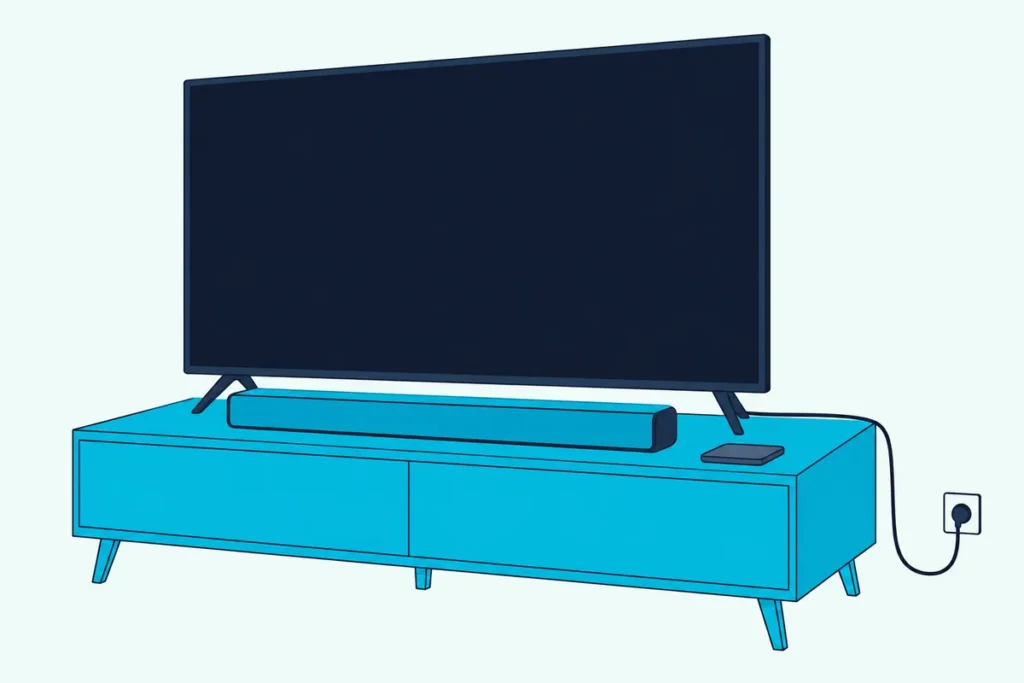
When an LG sound bar is not working, check the three things LG’s manuals list first for a silent bar: the volume isn’t at its minimum, mute is off, and the Function button has the bar on the input your TV uses.
Skip them and a bar that suddenly went quiet looks broken, which is how a working soundbar gets reset and re-paired for nothing.
Every fix below comes from LG’s soundbar manuals and webOS TV guides and names its models, so you can tell a setting from a fault.
Start with the symptom, read the lights or display, and leave the reset for last, since LG’s current manuals document one only for Wi-Fi bars.
The first section sorts out whether the TV or the bar is at fault, which decides every later step.
Why Is My LG Sound Bar Not Working When It Has Power?
Those three checks open the “There is no sound” row of LG’s troubleshooting tables for the S60T, S95TR and S30A. LG lists three reasons before any fault: the volume is at its minimum, mute is on, or the Function button has the bar on the wrong input.
| What you see | What it means | LG’s fix |
|---|---|---|
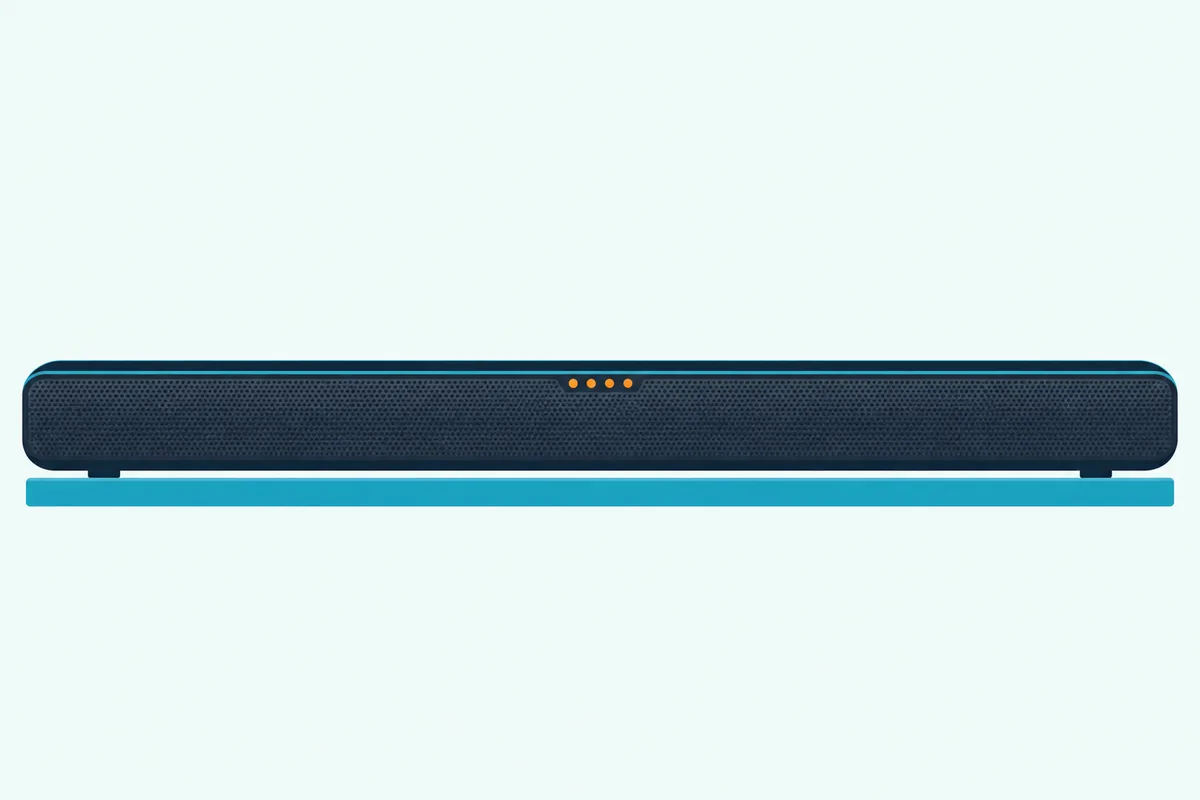
| All lights blinking orange, or MUTE on a display | Mute is on | Press Mute |
| Every light goes out as you turn it down | Volume at minimum | Press Volume up |
| Bar on Bluetooth or USB, TV on HDMI or optical | Wrong input | Press Function |
Which light marks the TV input varies by bar, and the TV’s own menus are covered in the Sound Out, SIMPLINK, eARC and Digital Sound Output settings for each LG TV year.
If all three check out, test the TV: LG’s webOS 25 guide runs Sound Self-diagnosis under All Settings > Support, then suggests Sound Out > Use TV Speaker. If the TV plays, LG says to check the bar’s connection and settings.
On the S95TR and SC9S, holding Power for more than 3 seconds disconnects Wi-Fi and the bar stops making sound, so tap it instead.
If the bar has an HDMI input as well as its HDMI ARC port, the TV’s cable belongs in the ARC port, because a regular HDMI port on the bar takes audio from a source while the ARC/eARC port sends audio back from the TV. If the bar is silent on every source, the input-swap test (change source device, swap TV, try a known-good audio output) is the broader next step.
What Do Red, Orange or Cycling Lights on an LG Soundbar Mean?
That orange blink is one of several codes LG lists for bars with status lights. On the S60T, S95TR, SC9S and S30A, LED1 blinking red marks the power going on or off, every light blinking red means maximum volume, and white, red and green lights looping mean demo mode.
The lights also change color with the level, green from 1 to 33, yellow to 66 and red to 99, so a red row means loud, not broken. Display models such as the S75QR, S95QR and Sound Suite H7 show MUTE, DEMO or RESET instead, and none of the manuals read here lists a numeric error code.
On the wireless subwoofer, blinking green or solid red means it isn’t connected, per the S60T and S95TR manuals. LG wants them close together, off metal furniture; how to pair an LG soundbar to a subwoofer covers re-pairing.
Get Studio Tips Weekly
Join 5,000+ creators getting acoustic treatment advice every week.
No spam. Unsubscribe anytime.Why Won’t the LG Soundbar Remote Work?
Demo mode comes up again here, because LG files it under a remote that does nothing. Otherwise LG gives three causes: the remote isn’t aimed at the front of the bar, it’s more than 7 meters (23 feet) away, or its batteries are flat (AA in the S60T and S75QR remotes, AAA in the S30A’s).
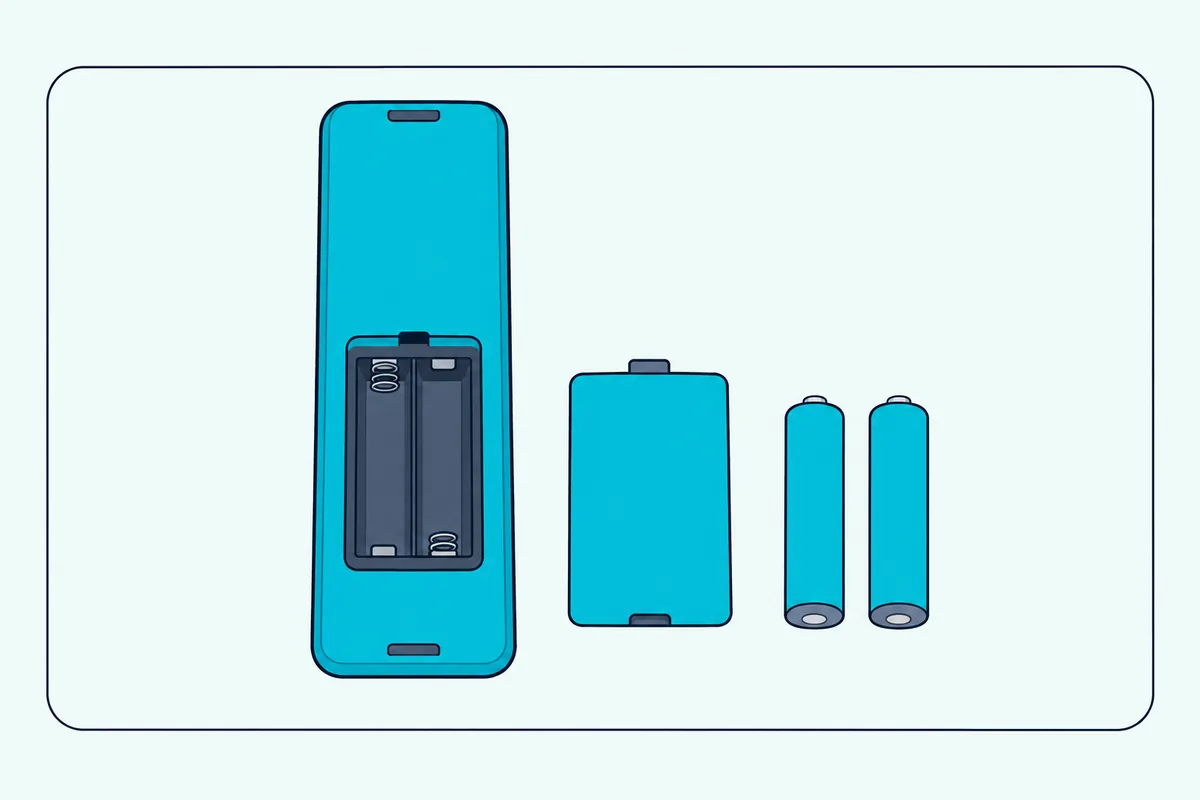
If pressing Function doesn’t change the input and the lights just loop, demo mode may be on, and LG’s first fix is to unplug the bar and plug it back in. If the remote still fails, use your model’s exit:
- S60T, S95TR, SC9S: hold Function on the bar for about 5 seconds.
- S30A, S20A: volume to minimum on the bar, then hold Function about 5 seconds.
- S75QR, S95QR (DEMO on the display): volume to 2, then hold Function about 5 seconds.
- Sound Suite H7 (no unplug step): hold Source about 10 seconds, then Wi-Fi about 5 if DEMO stays.
If the volume acts up only with a Fire TV Stick remote, check the Firestick remote’s equipment control settings first.
Why Is My LG Soundbar Volume Low or Changing by Itself?
Once the remote answers, volume is the next row in LG’s tables. For a quiet bar, LG’s manuals give three fixes: turn DRC off in the app, change the TV’s Digital Sound Output from PCM to Auto or Bitstream, and switch Night Time off.
DRC is under Sound settings > Sound output in the LG ThinQ app (S60T, S95TR, S30A) or Sound Settings in the LG Sound Bar app (S75QR, S95QR). On the TV setting, PCM hands the bar pre-decoded audio while bitstream sends the raw codec for the bar to decode.
Night Time lowers the general volume but raises soft sounds, so a bar left in it can seem to change level by itself. Turn it off with Settings, Left/Right to NIGHT TIME, then Up/Down.
If the level jumps between channels or keeps changing, LG’s webOS 25 guide points to Automatic Volume Adjustment under All Settings > Sound > Advanced Settings, set to On.
Why Does My LG Soundbar Keep Turning Off or On by Itself?
Volume aside, an LG bar also turns itself off and on by design. All eight LG manuals read for this guide say it turns off after 15 minutes without an input signal, to save power, so going dark in a long pause isn’t necessarily a fault.
Auto Power turns the bar on and off with the TV or an external device, and on the S60T, S30A and S75QR it works only over an optical cable. Toggle it with Settings, Left/Right to AUTO POWER, then Up/Down.
Over HDMI, SIMPLINK links the power instead. LG’s webOS 24 guide says turning the TV off can turn off SIMPLINK devices, and turning one on can wake the TV, depending on the model.
To set that link up from the start, the LG section of our walkthrough on getting an LG soundbar to turn on with the TV begins with the SIMPLINK switch and the Sound Out setting that turns it on by itself on 2025 sets.
If the bar won’t turn on, LG’s only listed check is the power cord in the outlet. A dark bar may simply be set that way, since with DISPLAY on Off the lights go out 20 seconds after the last button press.
How Do You Fix LG Soundbar Bluetooth Problems?
That Auto Power row names Bluetooth devices too. For a phone or TV that won’t pair, turn its Bluetooth off and on, clear any obstacles, and press the bar’s Bluetooth pair button, which keeps pairing open for three minutes.
If it pairs but drops out or crackles, keep the device near the bar, off walls, and at least 1 meter (3.3 feet) from routers, microwaves and medical equipment. Sound cutting out over HDMI or optical is covered in our guide to a soundbar that keeps cutting out.
For another brand’s TV, the pairing flow on Samsung, Vizio, and TCL TVs follows the same pattern as LG once both devices are in pairing mode. Wi-Fi bars that won’t join the network get router fixes in the S95TR and S95QR manuals, such as WPA2 and a password without special characters.
Should You Reset an LG Soundbar, and What Does It Clear?
Those network settings are what LG’s reset wipes. On LG’s Wi-Fi bars, holding the Wi-Fi button on top until you hear a tone (S95TR, SC9S, S95QR) or see RESET (H7) clears the wireless network settings.
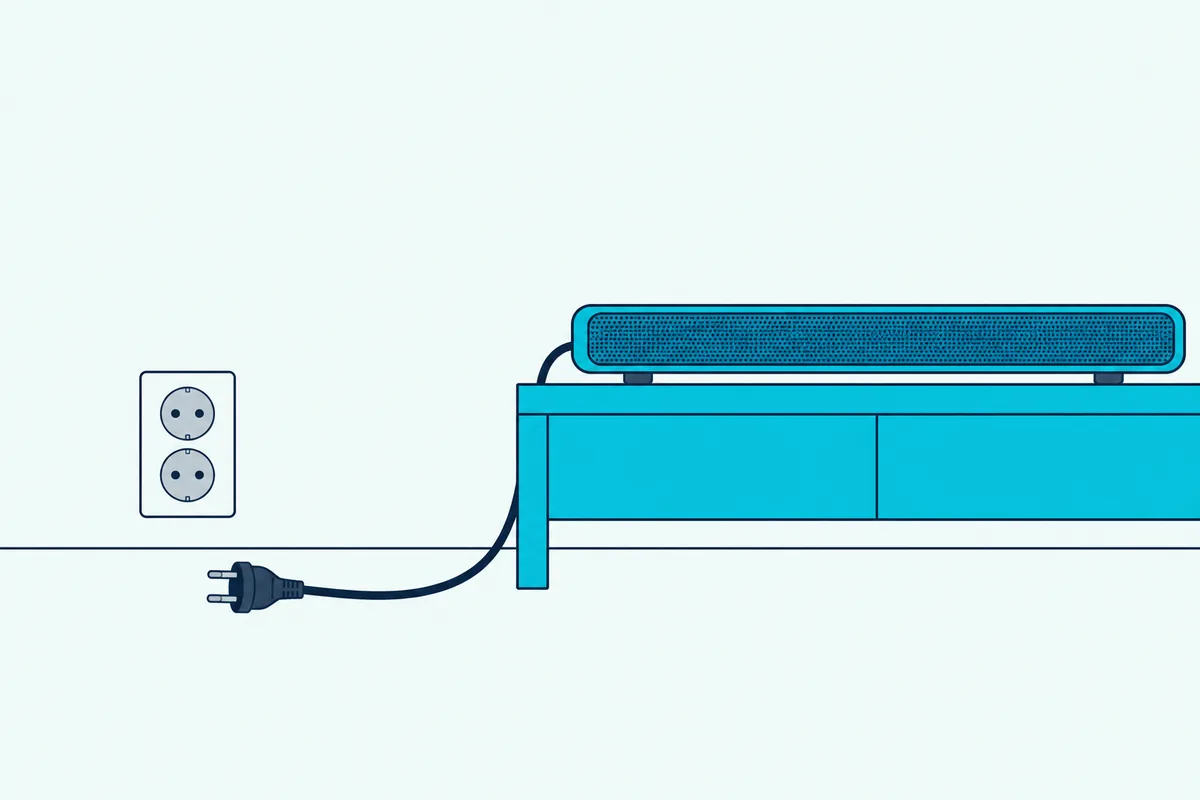
All lights blink white on the S95TR and SC9S; then reconnect the bar in the LG ThinQ app (S95TR, H7) or LG Sound Bar app (SC9S, S95QR). The S95QR manual also prescribes the reset for a frozen bar.
The S60T, S20A, S30A and S75QR manuals list no reset at all. Their fix, the first row of every LG table, is to unplug the power cable and connected devices such as the TV, subwoofer or amplifier, then plug them back in.
Every LG line’s documented reset, from the Wi-Fi button to the Mic mute key on the SL10YG and SN11RG, is laid out by model in our guide on how to reset an LG sound bar.
For other brands, see our guide to rebooting or factory resetting a soundbar.
What If the LG Soundbar Still Won’t Work?
If the bar stays silent on every input after the unplug (and the Wi-Fi reset), LG’s tables have nothing left to try. Once the 15-minute auto-off is ruled out, distortion at any volume, a dead one channel, or random shutoff during normal use point to a failing bar worth taking to LG for repair.
An LG replacement keeps LG TV features such as WOW Orchestra, which the S60T runs over HDMI. The pick below had 4.0+ stars and 50+ Amazon reviews and was in stock on 8 October 2026; prices change, so none appear.
LG’s S60T 3.1-channel bar adds a center channel and a wireless subwoofer.
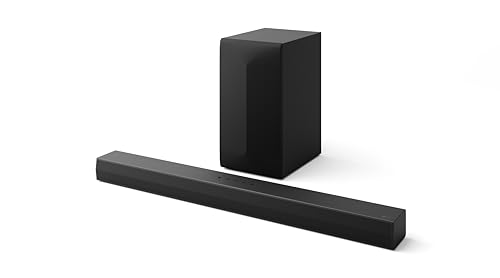
LG’s S60T 3.1-channel bar
For other brands, see the LG-aligned soundbar picks ranked by Simplink, eARC, and WOW Orchestra integration.
The Bottom Line
LG’s tables blame settings before faults: mute, minimum volume, the wrong input, demo mode, DRC and Night Time. Rule those out, then unplug and reconnect, and keep the Wi-Fi reset for last.
For sound modes, the LG standard vs cinema split shows which preset modes each tier offers, and the soundbar hub is the broader starting point.
Frequently Asked Questions
How do I reset my LG sound bar and subwoofer?
LG’s manuals give the bar and subwoofer no separate reset: unplug the bar and its connected devices, subwoofer included, then plug them back in. On Wi-Fi bars such as the S95TR, holding the Wi-Fi button also clears the network settings, and a subwoofer light that isn’t solid green afterward means pairing again.
Why is my LG soundbar blinking red?
On the S60T, S95TR, SC9S and S30A, LED1 blinking red marks the power turning on or off, and every light blinking red means maximum volume. A red light on the wireless subwoofer means it isn’t connected.
Can you reset an LG soundbar without the remote?
Yes. The Wi-Fi models reset with the Wi-Fi button on the bar itself, the demo-mode exits use the bar’s own buttons, and unplugging the power cable needs no remote.