How to Soundproof a Dorm Room Without Breaking the Housing Rules
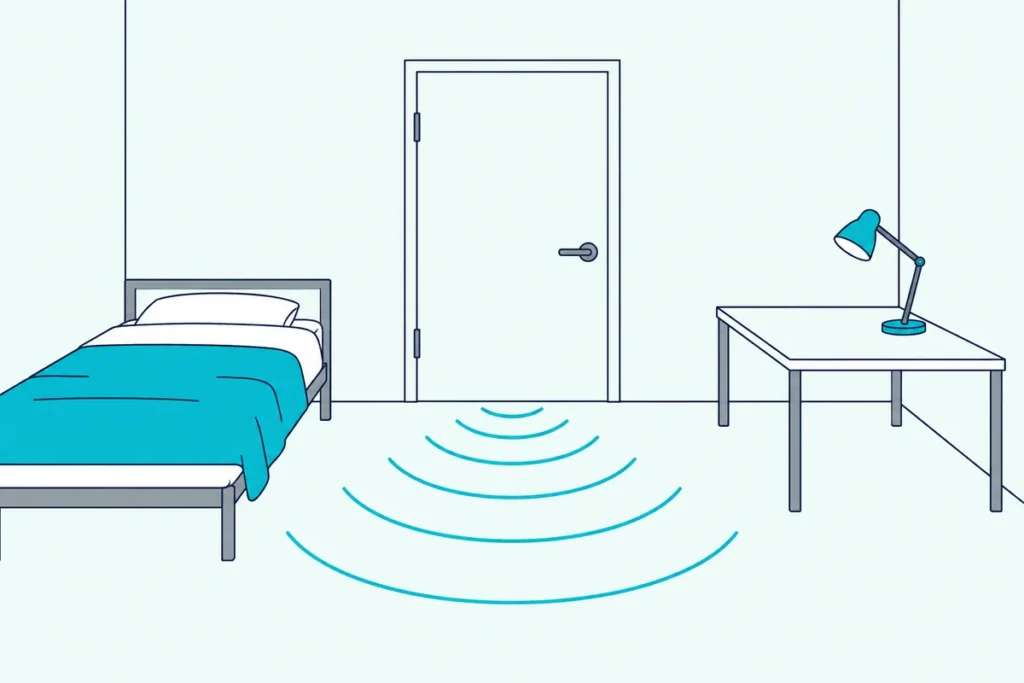
It’s midnight, the hallway is loud under your door, and a quick search for how to soundproof a dorm room says to cover the walls with foam, blankets and tapestries.
Several schools cap blankets, tapestries and curtains, because fire rules limit how much fabric and paper can hang on a dorm wall.
This guide follows the decoration rules of four universities, HUD’s Noise Guidebook, JELD-WEN’s door ratings and M-D’s door seal page.
You’ll see what the rules allow, why the door matters most, how to seal it without drilling and what to do when the room can’t change.
Start with the four steps, because your housing rules decide which of them you can use.
How to Soundproof a Dorm Room in Four Steps
That order puts the rules first, because Virginia Tech’s housing page says 20 percent of student rooms are randomly selected for fire inspection and that the inspection checks compliance with its decorations regulation.
- Read your hall’s rules. Four universities’ pages cap wall decorations at between 10 and 50 percent, so check your number before you buy anything for the walls.
- Seal the door. JELD-WEN rates a flush solid-core door at STC 30, and HUD says small holes and cracks can be devastating to a wall’s insulation value, so the gaps around the door come before anything else.
- Use parts that come off again, and ask first. Ramapo allows door signs only with removable adhesive, not mechanical fasteners, and says they mustn’t compromise the fire-rated door, so ask housing before you attach anything.
- Spend the wall allowance carefully. At Virginia Tech only combustible decorations count toward the roughly 10 percent cap and flame-resistant ones with an NFPA 701 label aren’t capped, while foam mostly absorbs echo, as our guide to what acoustic foam really does explains.
The sections below take the rules first, then the door, then the walls.
What Do Dorm Rules Allow on the Walls and the Door?
Those four steps depend on the rules, and the four schools’ own pages show how much they differ:

| School | Wall decorations | Fabric, ceilings and doors |
|---|---|---|
| Virginia Tech | About 10% of wall surfaces may carry combustible decorations, with no limit on flame-resistant ones | Hung fabric must be flame resistant and labeled NFPA 701; nothing hangs from ceilings |
| SUNY Geneseo | Less than 20% of the wall | Curtains and drapes prohibited; no large fabric on walls; decorations on less than 50% of the door |
| Manhattan University | 20% of the wall | Flags and tapestries 36 in. or smaller; full-length door coverings prohibited |
| Ramapo College | Fabric hangings up to 50% of wall area, in the fire code wording it quotes | No cardboard on walls; nothing hung from ceilings or windows; door signs on no more than 5% of the door |
These are four schools, not a national rule, so your own housing handbook decides. They do show a pattern: a cap on how much of the wall can be covered, tight limits on fabric and care around the door.
Virginia Tech names curtains, draperies, wall hangings and blankets among the materials it limits, Geneseo prohibits curtains outright, and Ramapo bans cardboard on walls, so a wall fully covered in blankets, drapes or egg cartons breaks a rule at each of those three.
Get Studio Tips Weekly
Join 5,000+ creators getting acoustic treatment advice every week.
No spam. Unsubscribe anytime.Why Does the Door Matter Most?
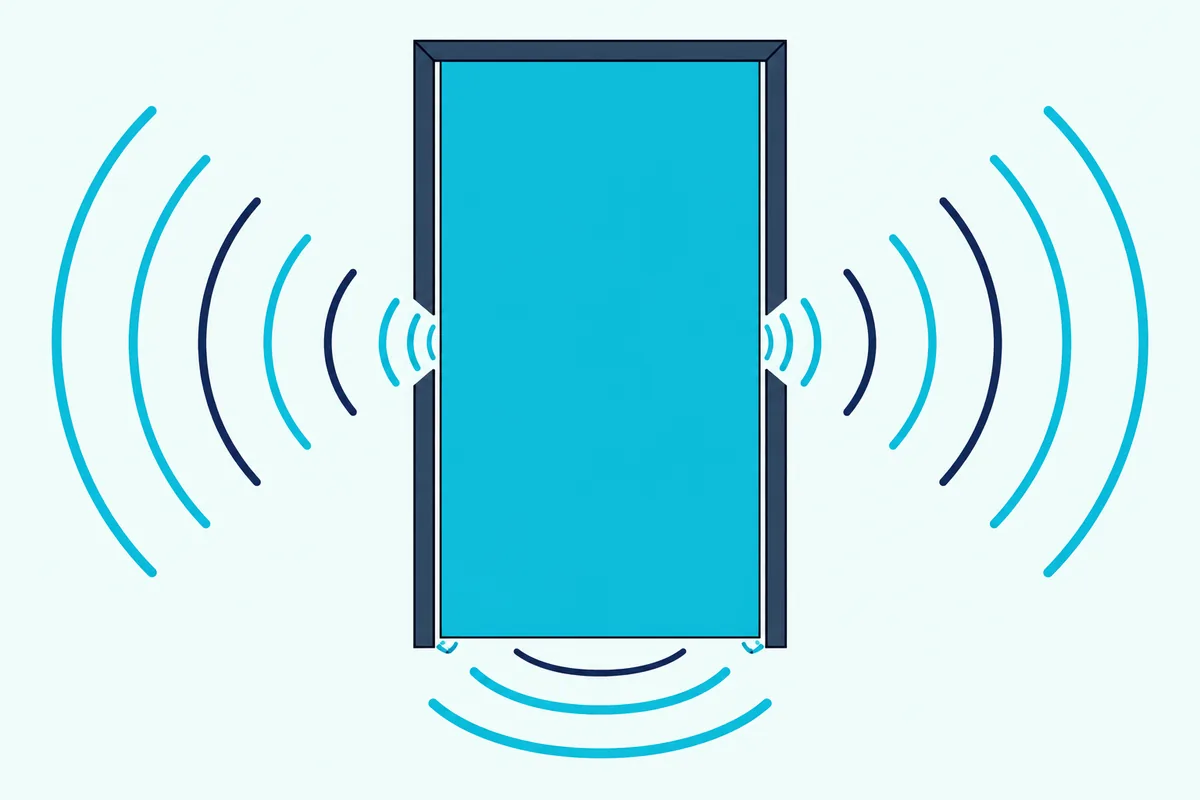
That is where the numbers point, because JELD-WEN rates its flush doors from STC 24 for a hollow-core slab to 34 for a 60-minute fire-rated one, and HUD says a wall’s rating is only realized when it’s well sealed at the perimeter:
| JELD-WEN door | STC |
|---|---|
| Flush hollow core | 24 |
| Flush solid core | 30 |
| Flush 20-minute fire rated | 30 |
| Flush 60-minute fire rated | 34 |
| C Series 45-minute fire rated, with Seal Set D | 36 |
| L Series 90-minute fire rated, with Seal Set E | 37 |
JELD-WEN says those figures are for new products, for reference only, and vary with the components, accessories and options, so treat them as a guide to what a door can reach and not what yours has.
A fire-rated dorm door is no exception, since its label records minutes in a furnace rather than sound, as Burton Acoustix’s fire door guide shows.
HUD says a one-inch square hole or a 1/16-inch crack 16 inches long takes a 50 STC wall down to 40. A 36 by 80 inch door has 232 inches of edge, more than 14 times the length of that crack, which is arithmetic and not a listed figure.
How Do You Seal a Dorm Door Without Drilling?
That comes down to parts that slide or stick on and come off again, and M-D builds its under door seal that way. M-D’s Cinch slide-on under door seal slides on with no drilling or screws, according to M-D, and adjusts to a 3/8 to 3/4 inch gap.
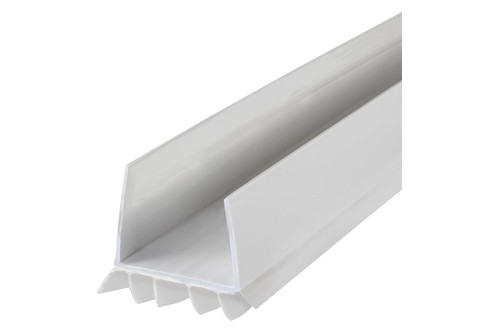
M-D’s Cinch slide-on under door seal
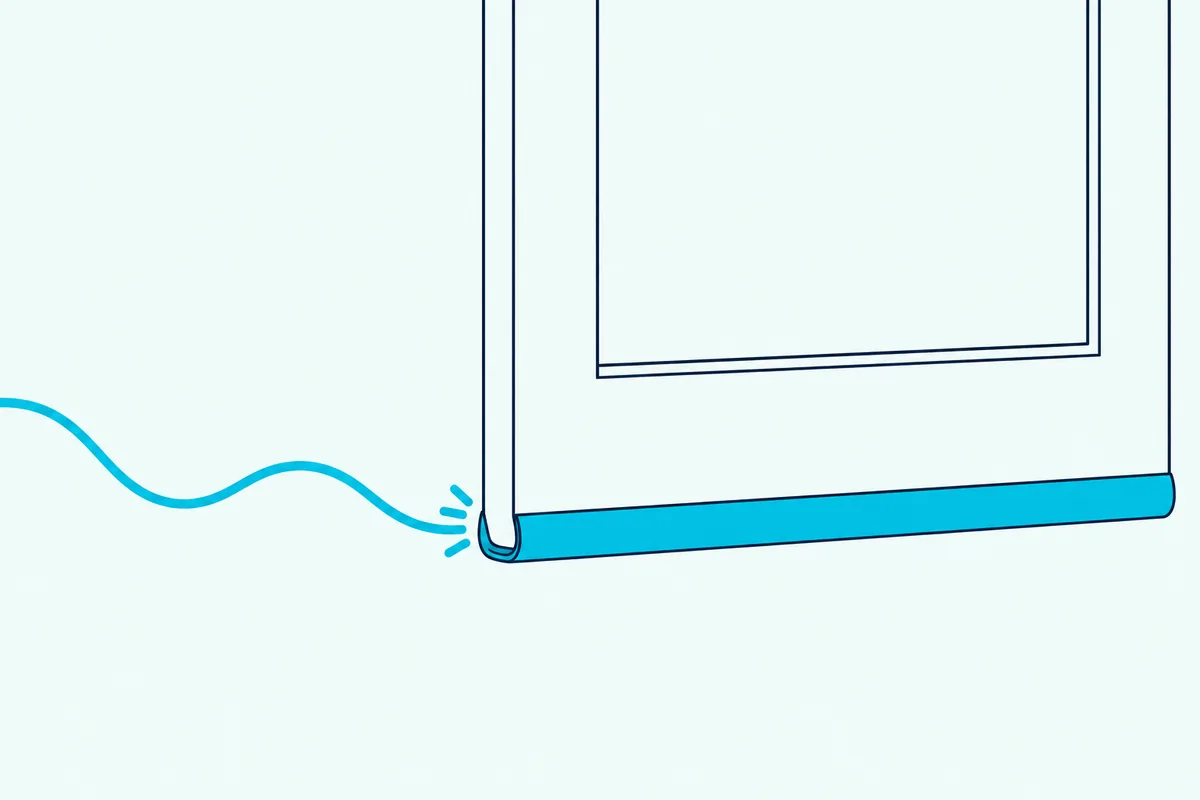
M-D lists the seal for a standard 1-3/4 inch thick door, so measure yours first. If the gap under your door is wider than that, our roundup of door sweeps that fit a bigger gap covers other options.
For the sides and top, Kikerike’s self-adhesive foam weatherstrip is sold for door and window sound isolation, and its listing gives the size as 1/2 inch by 1/4 inch, with 42 feet in total.
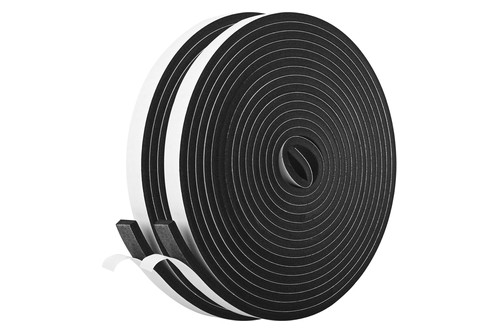
Kikerike’s self-adhesive foam weatherstrip
Adhesive is where the rules bite, because Ramapo allows door signs only with removable adhesive. Ask housing whether a foam strip on the frame is allowed and how to take it off at move-out.
Can You Use Foam, Blankets or Tapestries?
That depends on the school, and the table above makes it a narrow yes at best.
Virginia Tech requires hung blankets, curtains and banners to be flame resistant and factory labeled NFPA 701, so check the label before you hang one. None of the four pages names acoustic foam, so ask your housing office whether it counts toward a cap.
What a hung layer does is soften echo in the room, which is a different job from keeping the noise out.
What If the Room Can’t Change?
Then work on what you control inside the rules: seal the door, keep decorations inside your hall’s cap and ask your resident advisor about quiet hours.
No source here rates earplugs or headphones for dorm noise, so treat them as a personal choice and not a soundproofing fix. If you’re off campus instead, our guide to soundproofing a rented room covers that case.
The Bottom Line
Soundproofing a dorm room starts with your hall’s decoration limits, then seals the door with parts that slide or stick on and come off again. Blankets, curtains and tapestries are the items the four schools’ rules name, so check your own limit before you buy.
If the noise still comes through the wall, no source here rates a dorm wall, and the caps limit what you can hang on one, so the door and your housing office are where to start.
Frequently Asked Questions
Are dorm rooms soundproof?
No source here rates a dorm wall, but JELD-WEN’s door ratings run from STC 24 to 37 and HUD says gaps and cracks can badly cut a rating, so the door and its edges are a likely place for sound to get through.
How do you soundproof a dorm room door?
Seal the gaps with parts that slide or stick on and come off again, as in the door section above, and ask housing first, because Ramapo’s rules treat the door as a fire-rated assembly.
Can you put blankets on dorm walls?
It depends on the school. Virginia Tech requires hung blankets to be flame resistant with an NFPA 701 label and caps combustible decorations at about 10 percent of the wall, while Geneseo caps decorations at 20 percent and prohibits curtains.
Can you soundproof a dorm room without drilling?
Yes for the door. M-D says its Cinch seal slides on with no drilling or screws, and Ramapo’s door rules allow only removable adhesive.
Does a dorm allow acoustic foam on the walls?
None of the four schools’ pages names acoustic foam, so ask your housing office. Ramapo bans cardboard on walls and caps hung fabric at 50 percent, and Virginia Tech and Geneseo cap decorations much lower.
What if the noise comes through the wall?
No source here rates a dorm wall, and the decoration caps limit what you can hang on one. Your resident advisor or housing office can address quiet hours, which is the part of the fix a wall treatment can’t do.