Best Door Sweep for Soundproofing: Picks by Gap, Door and Floor
The best door sweep for soundproofing is an automatic door bottom such as the Pemko 411APKL36, sealing on a threshold as the door closes.
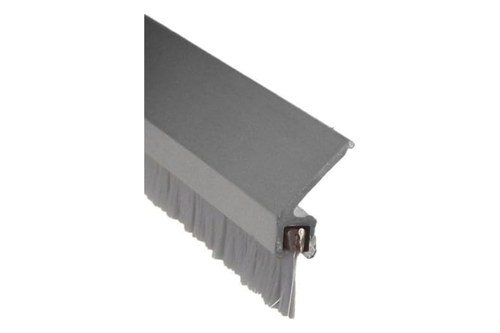
- ✓ 1-inch nylon brush in a clear anodized aluminum channel
- ✓ Flat flange for contact with the threshold or floor
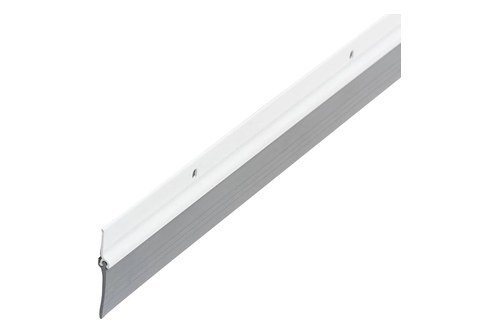
- ✓ For gaps up to 3/4 inch
- ✓ Screws included
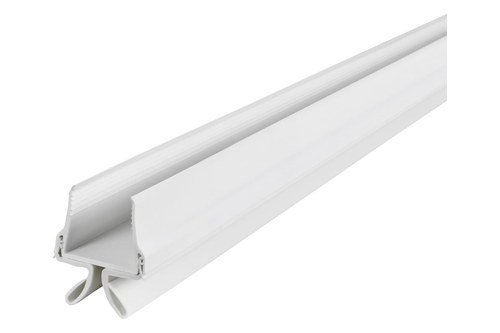
- ✓ Seals a gap of 1/2 to 1-1/2 inches
- ✓ Slides on, with two rubber seals that adjust to the floor
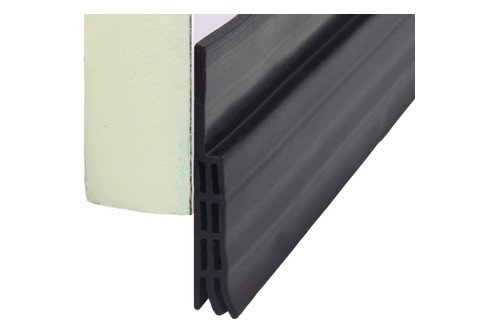
- ✓ Seal gap of 0 to 1-3/32 inch
- ✓ Cut to size, no tools required
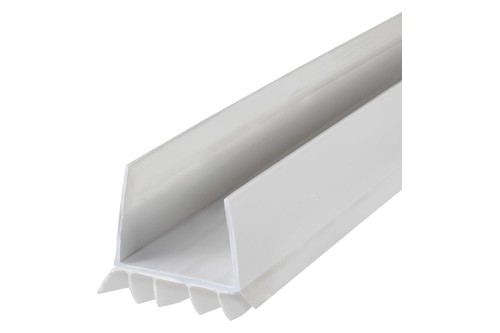
- ✓ Adjusts to seal a 3/8 to 3/4 inch gap
- ✓ Slides on with no drilling or screws
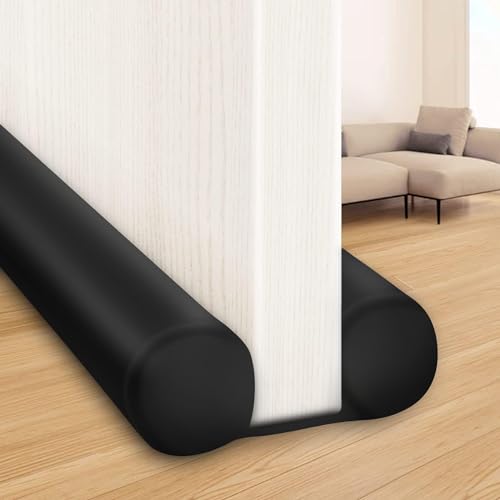
- ✓ For gaps up to 1.7 inches
- ✓ A foam tube on each side of the door, cut to length
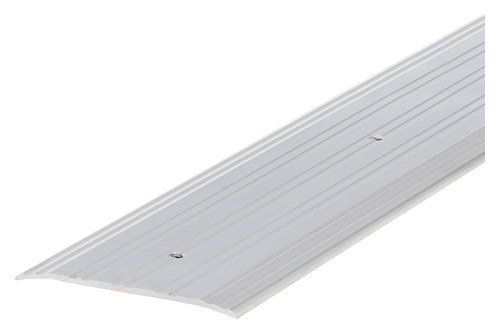
- ✓ Flat aluminum, with screws included
- ✓ UL fire-rated and ADA approved
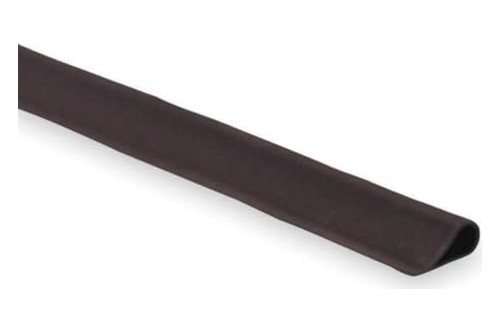
- ✓ Adhesive-backed silicone gasket, 18 feet long
- ✓ Gasketing for sound, smoke and draft control
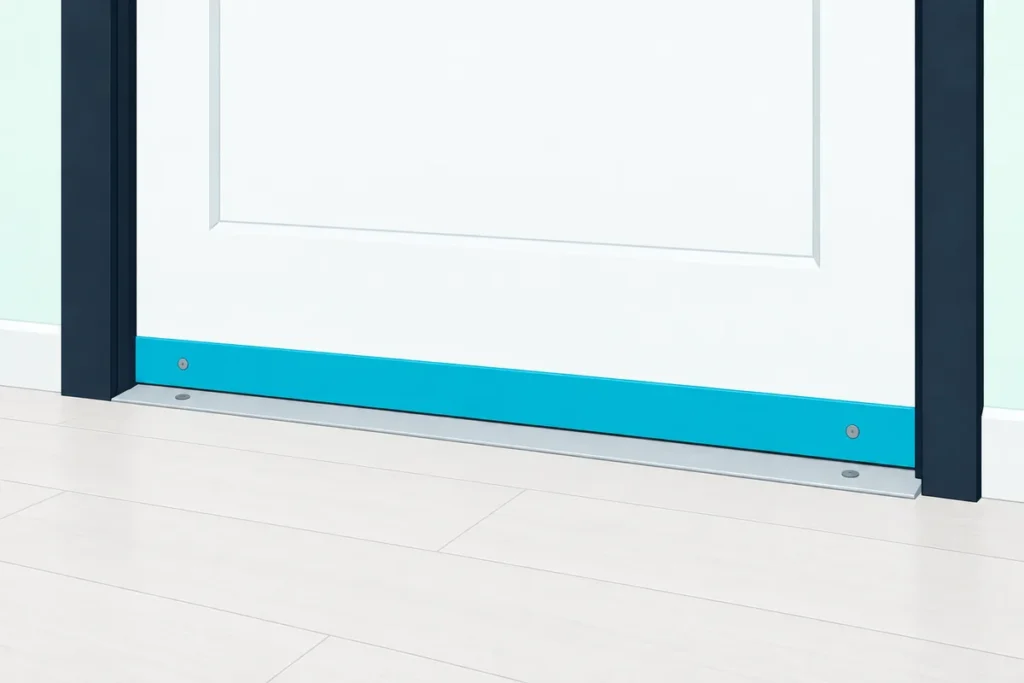
To find the best door sweep for soundproofing, measure the gap under your door and check the floor first, because makers build each seal for a stated gap and a surface to press against.
Fit a sweep listed for gaps up to 3/8 inch on a door that clears the floor by 3/4 inch, or drop an automatic seal on carpet, and the slit that carries hallway voices stays open.
Match the seal to the gap and you close what Acoustical Surfaces calls the largest gap most people face, an opening Zero International says can cancel out even the highest-rated door.
The table below sets each pick against the gap, door and fitting its maker or listing states, from an automatic door bottom to a slide-under draft stopper.
After that come the makers’ STC tests, the seal for your floor, and how to fit it.
What’s the Best Door Sweep for Soundproofing?
That table leads because the answer changes with the door. The best door sweep for soundproofing is an automatic door bottom sealing on a threshold if you can screw one on, and if you can’t, a slide-on or peel-and-stick seal listed for the gap you measure.
| Pick | Seal | Gap it’s listed for | Door it’s listed for | Fitting |
|---|---|---|---|---|
| Pemko 411APKL36 | Automatic drop bar | No figure on its listing | 36 in long | Aluminum case, plunger at the jamb |
| Pemko 18100CNB36 | 1-in nylon brush | No figure on its listing | 36 in long | Flange on the door face |
| M-D aluminum and vinyl sweep | Vinyl fin | Up to 3/4 in | Doorways up to 36 in | Screws, included |
| M-D Cinch interior | Two rubber seals | 1/2 to 1-1/2 in | 32 in wide, 1-3/8 in thick | Slides on |
| M-D Cinch U-shape | Vinyl fins | 3/8 to 3/4 in | 36 in long, 1-3/4 in thick | Slides on |
| VITAM AMO 39-inch | Adhesive fin strip | Up to 1-3/32 in | Cut down from 39 in | Peel and stick |
| MAXTID Large | Twin foam tubes | Up to 1.7 in | 30 to 36 in wide, 1-3/8 to 1-3/4 in thick | Slides under |
Two rows show no gap figure because the listings don’t give one, so check Pemko’s data sheet for the door bottom’s drop, and hold the 1-inch brush against the gap you measure. Neither those listings nor M-D’s pages give an STC rating for a sweep, which is why the next section leans on the door bottoms that makers did test.
Every pick met Burton Acoustix’s rating, review and stock checks on 1 November 2026. The descriptions come from the makers’ manuals and spec pages.
How Much Do Door Sweeps Help With Soundproofing?
That missing rating is the catch with any plain sweep, so start with what the makers do publish. Door sweeps help with soundproofing by closing the gap under the door, and while M-D and Pemko give no STC figure for a plain sweep, door bottoms with head and jamb seals on rated doors come within 3 to 8 STC points of the same door caulked shut.
The reason is the opening itself. Zero International says sound travels through any opening with very little loss, and that a small hole transmits almost as much sound as a much larger gap.
STC, or Sound Transmission Class, is one number for how well a door or wall blocks airborne sound, and our explainer on how STC numbers are measured has more. On the scale in NBS Handbook 119, normal speech is easily understood through STC 25 and audible but not intelligible at STC 30.
National Guard Products (NGP) shows the swing: its gasketing data says standard doors test at STC 15 to 20 without gasketing, and solid-core wood doors at about 28 to 30 with it. Acoustical Surfaces’ door seal page lists a standard 1-3/4-inch solid-core door at STC 22 with no seals and 33 with its seals.
Those figures cover seals all the way around the door, not a sweep alone, and the jamb seals come up again further down. The closest thing to a door bottom test comes from Reese’s catalog and Acoustical Surfaces, which report ASTM E90 results for a door caulked shut and then working with its seals.
| Door bottom and seals | Door caulked shut | Door working | Points lost |
|---|---|---|---|
| Reese 521, 599 head and jamb seals, no threshold | STC 51 | STC 46 | 5 |
| Reese 330, 599 seals, S498A threshold | STC 51 | STC 45 | 6 |
| Reese 330, 99 seals, no threshold | STC 44 | STC 37 | 7 |
| Reese 330, DS79 seals, S498A threshold | STC 44 | STC 41 | 3 |
| Reese 321, DS75 seals, no threshold | STC 32 | STC 29 | 3 |
| Acoustical Surfaces 320C, no threshold | STC 32 | STC 28 | 4 |
| Acoustical Surfaces 330C, with threshold | STC 51 | STC 43 | 8 |
In every row the working door falls 3 to 8 points short of the same door caulked shut, so the door sets the ceiling and the seals decide how close you get. The Steel Door Institute’s guide to specifying acoustic doors puts the usual loss at 1 to 5 points, depending on the quality of the seal and threshold.
Read these as proof of the method, not a promise for your door, since they’re commercial door bottoms on sound-rated doors. Reese also notes that STC averages many frequencies, so a noise in one range calls for that range’s own transmission loss figures.
The size of the opening explains the stakes. HUD’s Noise Guidebook says a one-inch square hole or a 1/16-inch crack 16 inches long will reduce a 50 STC wall to 40, and a 3/4-inch gap under a 36-inch door is 27 square inches.
Is an Automatic Door Bottom the Best Soundproof Door Sweep?
Every door bottom in that table is the automatic kind, and no plain sweep appears in it. An automatic door bottom is the best soundproof door sweep if you can fit one, because it’s the type makers put through STC tests, and a spring lifts it clear when the door opens instead of dragging.
the Pemko 411APKL36 is the pick here. Pemko describes an aluminum case around a drop bar seal, with a plunger that meets the jamb and forces the seal down against the floor or threshold as the door closes.
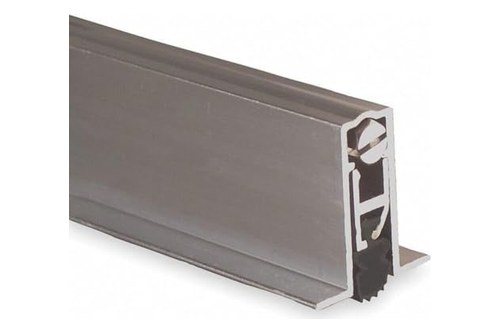
Pemko 411APKL36
Its listing gives a 9/16-inch-wide, 1-3/8-inch-tall case and a PemkoPrene seal, but no drop figure or STC rating, so the tables above describe the type rather than this model. Think of it as the mechanism those tests rely on, not a tested result of its own.
Drop is the number to check, because it limits the gap the seal can reach. NGP’s surface models and Reese’s No. 330 allow a 3/4-inch maximum drop, Acoustical Surfaces says clearance under the door shouldn’t exceed 3/4 inch, and NGP’s STC seal sets recommend a 1/4-inch drop for the best acoustic results, 3/8 inch at most.
Mounting comes next. A surface door bottom goes on the push side of the door, NGP says, so if your door swings into the room, Acoustical Surfaces explains, the seal goes on the hallway side, and if it swings out, on the room side.
A mortised model hides in a slot instead: NGP’s 335 series calls for a 5/8 by 1-1/2 inch mortise, and Reese says to add 1/16 to 1/8 inch to the part dimension when you cut one. Check which hand you need too, because NGP’s surface models ship right-handed unless you specify otherwise, though NGP says they can be reversed in the field.
Most products sold as an acoustic door sweep are this type or a full seal kit, and an automatic door sweep can be simpler still. M-D’s Flex-O-Matic uses spring action to rise when the door opens and lower when it shuts, and M-D lists it for gaps up to 1/2 inch, with screws included.
Should You Choose a Brush, Rubber or Silicone Door Sweep?
A fixed sweep has no such lift, so the seal has to suit the floor it crosses. Choose a brush for an uneven floor or carpet, and a vinyl, rubber or silicone fin for a smooth floor or a threshold.
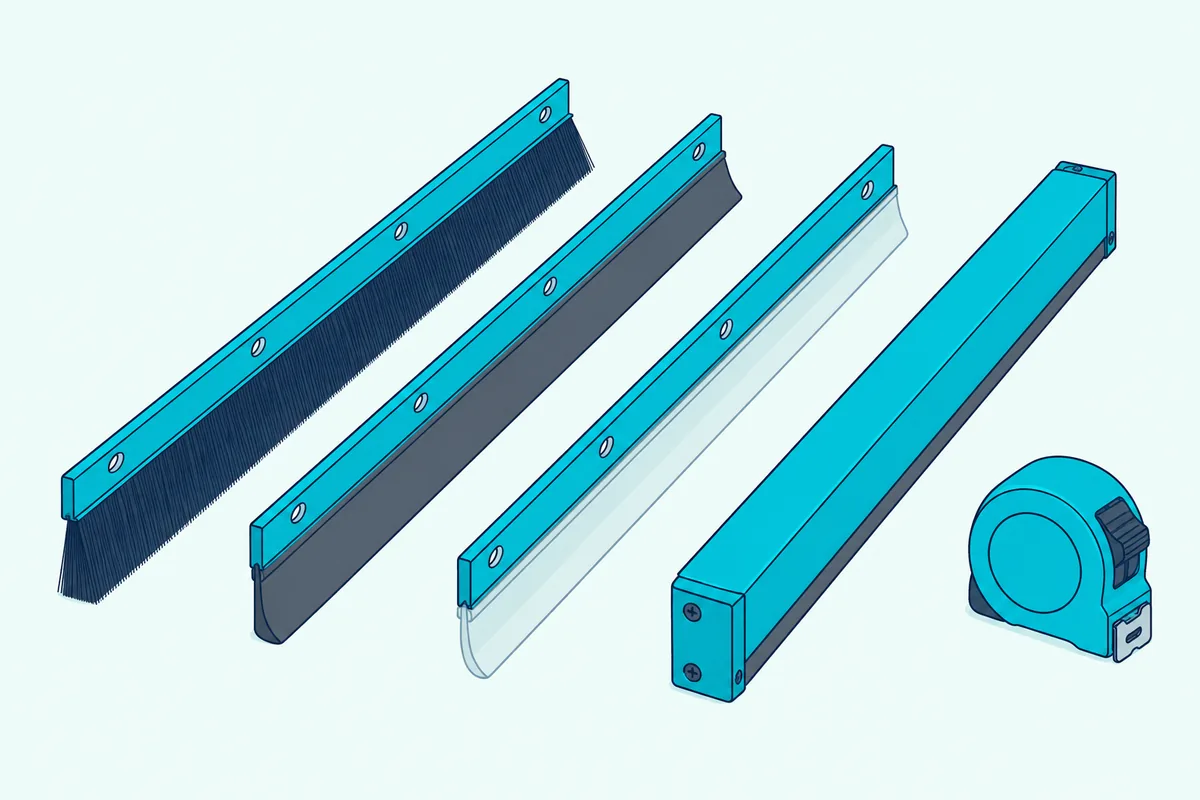
M-D says its brush sweep is best used on uneven floors because the bristles flex to the surface, and lists it for gaps up to 7/8 inch. NGP recommends a nylon brush on door bottoms over carpet where there’s no threshold.
For a brush from a door hardware maker, the Pemko 18100CNB36 carries a 1-inch gray nylon brush in a clear anodized aluminum channel. Pemko says the flat flange gives the best contact between the brush and the threshold or floor surface, and that sweeps like it are surface applied to the face of the door.
Pemko 18100CNB36
On a smooth floor, a fin seals against the side of the threshold, in M-D’s words. M-D’s aluminum and vinyl screw-on sweep is that design at 36 inches, and M-D lists both its standard and heavy-duty versions for gaps up to 3/4 inch, with the screws in the box.
M-D Aluminum and Vinyl Screw-On Door Sweep
Rubber and silicone work the same way, though the makers’ figures differ. M-D says its thermoplastic rubber sweep has higher durability and sealing properties than standard vinyl but lists it for gaps up to 3/8 inch, while its self-adhesive silicone sweep reaches 1 inch and is for residential use only.
Neither M-D’s pages nor Pemko’s listings put an STC figure on brush against fin, so treat this as a choice about fit. The light test further down shows whether your choice closed the gap.
What’s the Best Door Sweep for Interior Doors You Can’t Drill?
Most of those sweeps take screws, which rules them out on plenty of bedroom and office doors. For interior doors you can’t drill, M-D’s Cinch interior seal is the closest fit, because M-D lists it for gaps of 1/2 to 1-1/2 inches and says it reduces sound infiltration from room to room.
M-D Cinch Interior Door Seal
It slides onto a standard 1-3/8-inch door with no hardware, and its two rubber seals adjust separately to the floor and are coated to cut drag on any surface, carpet included. It’s 32 inches long, though, so a 36-inch door needs another pick.
the VITAM AMO 39-inch strip handles wider doors, because you cut it down from 39 inches, and its listing gives a seal gap of 0 to 1-3/32 inches. The listing says to clean the door first, allow 24 hours for the bond, and use pushpins if the surface isn’t smooth.
VITAM AMO 39-inch strip
On a hollow door, our step-by-step for sealing a hollow door all the way around shows where the bottom seal fits in. In a residence hall, check the housing rules before you choose adhesive or screws, as the four schools’ dorm decoration rules show.
Which Is the Best Door Sweep for Exterior Doors and Entry Doors?
Thickness is the first difference, since that interior seal won’t fit a heavier door. M-D’s Cinch U-shape seal suits a standard 1-3/4-inch exterior door, because it slides on with no drilling and adjusts to a gap of 3/8 to 3/4 inch.
M-D Cinch U-Shape Door Seal
M-D lists it for drafts, moisture, dust and insects rather than sound, so any quieter result comes from closing the same gap. A compression fit holds it on, and you cut it to width with a hacksaw.
An apartment entry door is a different job, because it may be a fire door. iDigHardware’s Lori Greene writes that gasketing, sweeps, door bottoms and thresholds on a fire door must be listed for that purpose, and our guide to what a renter can change on an apartment door covers what that leaves you.
Some makers do list parts for those doors. M-D calls its aluminum U-shape commercial seal UL fire-rated for fire doors, with a 7/16-inch gap, and Reese says any UL 10C classified threshold, door bottom or sweep can go on an “S” label door without affecting the label.
What Works on a Large Gap Under a Door?
Every seal so far stops at about 1-1/2 inches, and some doors sit higher than that. A twin-tube draft stopper reaches furthest, and the MAXTID Large stopper is listed for gaps up to 1.7 inches on doors 30 to 36 inches wide and 1-3/8 to 1-3/4 inches thick.
MAXTID Large stopper
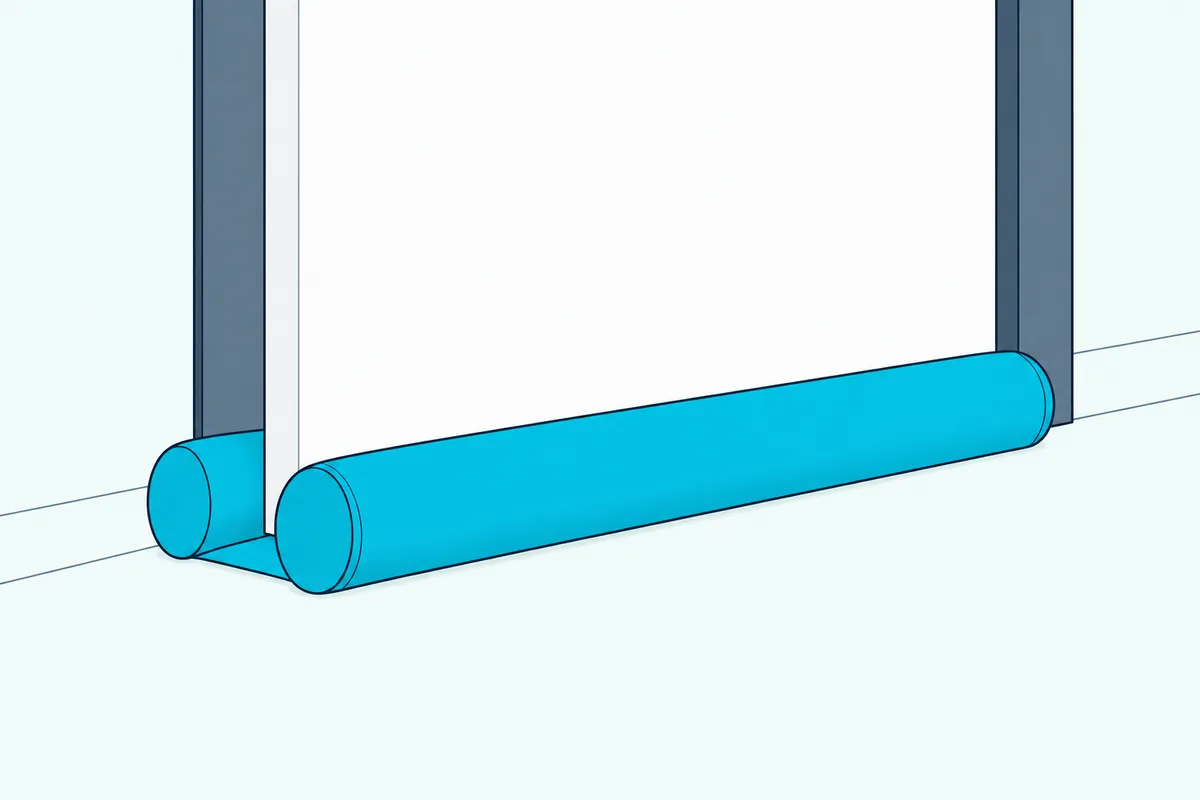
You cut the foam tubes to length, and one sits on each side of the door. Frost King describes its own Double Draft Stop the same way, adding that it isn’t rigid enough to stop all bugs.
MAXTID lists noise among the things it blocks but gives no figure, so use it as a quick test: slide it in, and if hallway voices drop, the bottom gap was part of the leak. MAXTID’s 38-inch version marks carpet, glass doors and doors with a threshold as unsuitable, so check your floor before you order either size.
Barn doors tend to have wide bottom gaps, and the bottom gap on a barn door shows how Masonite’s 3/8 to 1/2 inch range compares with HUD’s one-inch hole.
Why Does the Threshold Matter So Much?
A big gap is also a reason to raise the floor under it, and that’s only part of what a threshold does. The threshold matters because a seal needs something hard and level to press on: SDI 128 says door bottom gaskets must compress against a solid object, and that carpet doesn’t provide one.
NGP tells you to add a threshold so an automatic door bottom can seal properly. Reese says its door bottoms aren’t designed to seal directly on carpet, and that the solid surface should sit above the floor covering on each side of the door.
Even a rated door depends on it. ASSA ABLOY’s AW53C sheet calls for a flush, level sealing surface, shimmed if the floor is uneven, to prevent sound leaks at that spot.
Reese’s table hints at the gain. On a door that tests at STC 44 caulked shut, its 330 door bottom reached STC 37 with no threshold and No. 99 or 770 seals, and STC 41 with an S498A threshold and DS79 seals, so the head and jamb seals changed too.
M-D’s flat aluminum threshold is a plain way to add that surface: 4 inches wide, 1/4 inch high and 36 inches long, with screws included. M-D calls it UL fire-rated and ADA approved, and it shrinks your gap by about 1/4 inch, so measure again before you choose the seal.
M-D Flat Aluminum Threshold
Frost King pairs its own parts the same way, saying sweeps are made for vinyl-top thresholds and its door bottoms for saddle tops. On carpet with no threshold, use a brush or M-D’s interior seal, since Acoustical Surfaces says neoprene running across carpet will wear out very quickly.
When Is the Sweep Not the Weak Point?
A perfect seal at that threshold still leaves the other three sides of the door. The sweep isn’t the weak point when light shows at the head or jambs, or when the slab is hollow, because Zero International says a door not sealed on all sides gets little or no sound-control value from its gasketing.

For the head and jambs, Pemko’s S88D18 gasket is adhesive-backed silicone in an 18-foot roll, and a 36-by-80-inch door needs about 16 1/3 feet. Pemko says its gasketing is tested for sound resistance, smoke and draft control.
Pemko S88D18 Gasket
An acoustic door seal kit does both jobs. Acoustical Surfaces’ kits pair a 320C or 330C automatic door bottom with an adjustable jamb seal, in a three-piece set of two 7-foot lengths and one 3-foot length.
Then look at the slab, since those caulked-shut figures set the ceiling. HUD’s Noise Guidebook rates a common hollow-core door at STC 17, and JELD-WEN lists its flush hollow-core door at STC 24 against 30 for flush solid-core.
When the slab is the limit, our guide to what a solid-core swap adds over a sealed hollow door sets out the gain. For the next step, best soundproof interior doors compares slabs, and the whole-door method in six steps runs the full order.
A deep undercut on a hotel entry door lets corridor noise in, which is what hotel acoustic consultants say about door gaps. If your door is sealed and noise still gets in, look past it to best soundproof windows for home, best soundproof curtains and best soundproofing material, or start from the soundproofing hub.
How Do You Measure the Gap Under a Door?
All of that comes back to one number at the bottom of the door. Measure the gap with the door closed, at both ends and the middle, and buy for the largest reading, because a seal chosen for the average leaves a slit where the floor dips.
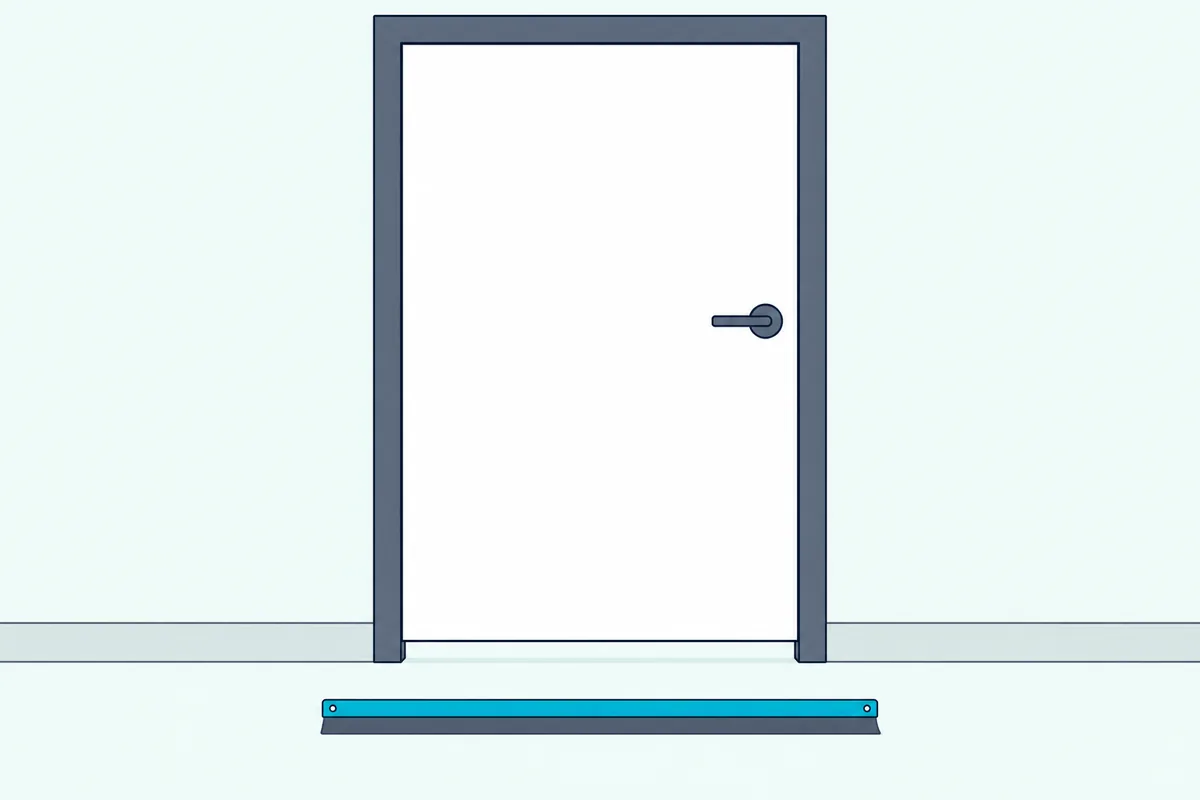
Then measure the slab, because M-D lists its slide-on seals by thickness, 1-3/8 or 1-3/4 inches. For width, Acoustical Surfaces marks both sides of the closed door in pencil and measures between the marks, then gives the example of a 35-3/8-inch measurement taking a 36-inch door bottom trimmed down.
Trim limits differ by maker, so check yours. Reese allows up to 3 inches on 36-inch door bottoms, and NGP up to 1-1/2 inches on those 20 inches and over.
Find the leaks with Acoustical Surfaces’ light test: turn the room’s lights off and leave a light on in the hallway, or use a flashlight. The areas that leak the most light, it says, also leak the most sound.
One more check, because that gap may be doing a job. NBS Handbook 119 says doors are commonly set with a 1/2 to 3/4 inch space at the bottom for return air, and calls such gaps “extremely efficient flanking noise paths,” so if your room has no return grille of its own, ask about giving the air another way back before you seal it tight.
How Do You Install a Door Sweep or Automatic Door Bottom?
With those measurements in hand, fitting is short work. Install a fixed sweep by cutting it to width, holding it so the seal just meets the floor or threshold, and screwing it to the door face; install an automatic door bottom the same way, then set its plunger against the jamb.
M-D says to cut its sweeps with a hacksaw and their vinyl seals with scissors, and its Cinch U-shape seal holds on by compression once it’s cut to width. The automatic kind needs more care, and Acoustical Surfaces’ tips for its 320 door bottom cover the common faults:
- Clear any burrs or chips from the case after trimming, because the bar must move freely.
- Make sure the adjusting screw hits the jamb, or the door bottom won’t work properly.
- Don’t pull the bar down too far, which stretches the spring and ruins it.
- Don’t cut the neoprene until you’re sure the door bottom fits exactly.
As the door closes, the hinge side of the seal should touch first, Acoustical Surfaces explains, and the seal levels out as the door finishes closing. That’s the movement to watch when you test it.
Then repeat the light test from the last section with the door shut. Close the door from fully open as well, and check that it still latches.
The Bottom Line
The right pick is the seal listed for the gap you measured and the floor it lands on. If you can drill, pair the Pemko 411APKL36 with a threshold; if you can’t, use M-D’s interior Cinch or the VITAM AMO strip on an inside door, the Cinch U-shape on a 1-3/4-inch door and the MAXTID stopper on a big gap.
Then seal the head and jambs, and if speech still gets through, the slab is next.
Frequently Asked Questions
Does a door sweep reduce noise?
Yes, when the gap under the door is one of the open paths. M-D says its interior seal reduces sound infiltration from room to room, and makers’ lab tables show door bottoms with head and jamb seals on rated doors working within 3 to 8 STC points of the same door caulked shut. Neither M-D nor Pemko gives a decibel figure for a plain sweep, so judge yours by the light test and by ear.
Do soundproof door seals work?
Yes, if they close the door on all sides. NGP says standard doors test at STC 15 to 20 without gasketing and solid-core wood doors at about 28 to 30 with it, and Zero International says a door not sealed on all sides gets little or no sound-control value from its gasketing.
What blocks out the most noise?
At a door, a sound-rated door with a full seal set. NGP’s seal sets list up to STC 52 and ASSA ABLOY’s AW53C door system STC 53 on flush wood singles. A door sweep is one part of that, and the door itself sets the ceiling, as Reese’s caulked-shut figures show.
What can I put on a door to soundproof it?
A seal at the bottom, a gasket at the head and jambs, then a heavier slab if speech still gets through, in that order. Acoustical Surfaces’ door seal kits cover the first two together, and foam or blankets belong in the whole-door method linked above rather than in place of those seals.
What are the best materials for door sweeps and thresholds?
That depends on the floor, more than on any one material. M-D recommends a brush for uneven floors and says thermoplastic rubber has higher durability and sealing properties than standard vinyl, while NGP lists vinyl for a temperature range of 0°F to 140°F and warns that age and exposure harden it. For thresholds, M-D’s flat threshold is aluminum, and SDI’s solid surface matters as much as the metal.