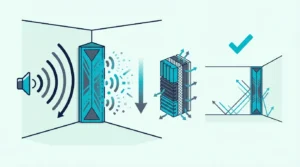
Can You Paint Bass Traps — And What Happens When You Do?
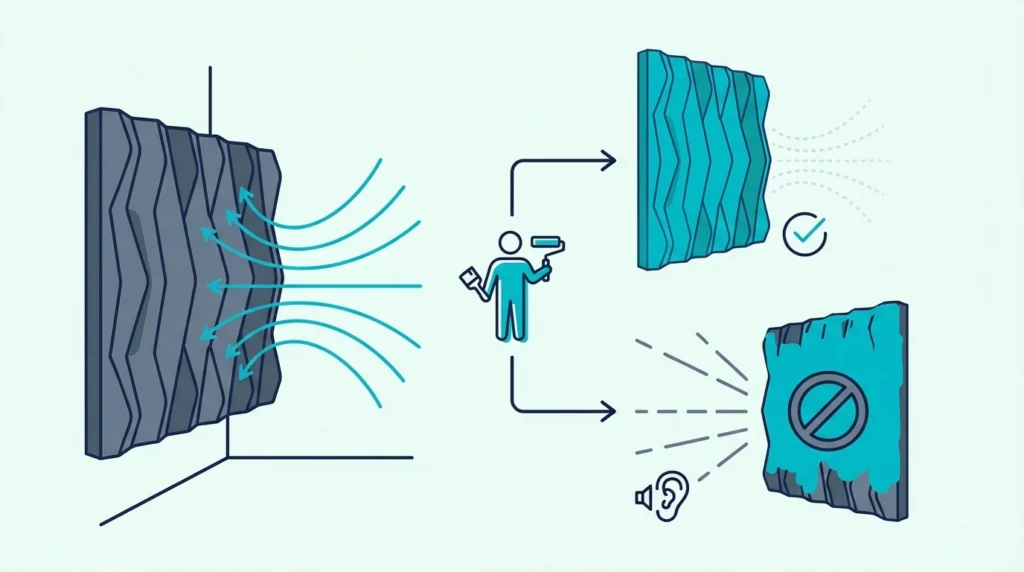
Can you paint bass traps — technically yes, but painting them always reduces acoustic performance to some degree because every coating restricts airflow through the porous surface that makes bass traps absorb sound.
Bass traps work because air molecules move freely through millions of tiny pores in the absorptive material. Friction between the moving air and the pore walls converts sound energy into heat. Any paint layer — even a thin one marketed as “acoustically transparent” — adds resistance to that airflow and reduces the amount of sound energy the trap can convert.
The reduction ranges from minor on a lightly misted fabric-wrapped panel to severe on open-cell foam covered with standard wall paint, but the direction is always the same: painted traps absorb less than unpainted traps. There is no coating that preserves 100% of the original performance.
Below, you’ll find which trap types lose the most, which coatings do the least damage, what to do if you absolutely must paint, and the better alternatives if you want color without sacrificing the acoustics you paid for.
Painting bass traps always reduces acoustic performance because any coating restricts the airflow that makes porous absorbers work. Even “acoustically transparent” paints and light mist coats measurably reduce absorption — especially at mid and high frequencies where the surface layer matters most. The best approach is to avoid painting entirely by choosing your fabric color during construction or buying traps in the color you want. If you must paint, fabric-wrapped traps lose the least performance with fabric spray paint in very light coats, but expect some absorption loss regardless.
Can You Paint Bass Traps — And Does It Affect Performance?
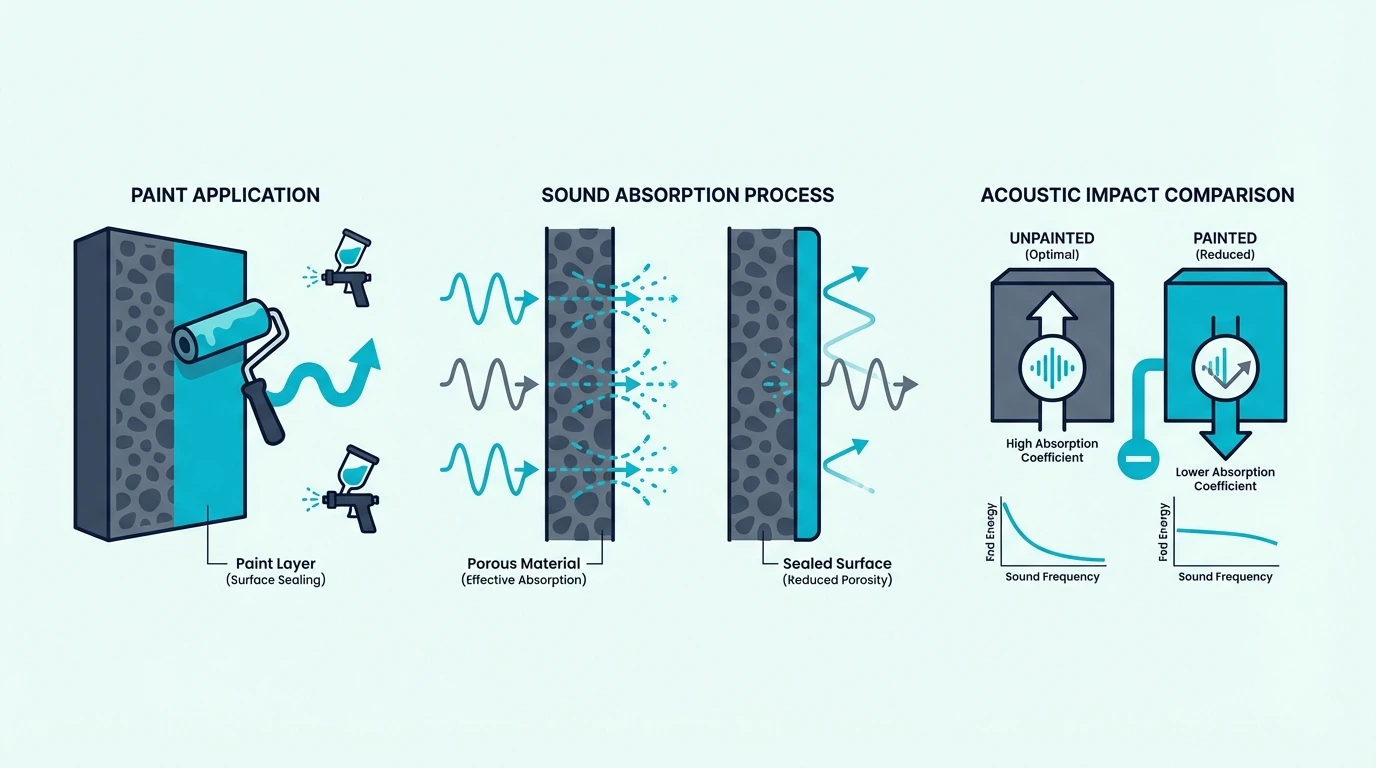
Painting bass traps always affects their acoustic performance because every porous absorber relies on unrestricted airflow through the material’s surface. Sound waves push air molecules into tiny pores, and friction between the moving air and the pore walls converts acoustic energy into heat. Paint adds a layer that resists that airflow.
A single coat of standard wall paint can cut high-frequency absorption by 30-50% and reduce mid-frequency performance by 15-25%. Even products marketed as “acoustically transparent” measurably increase surface flow resistivity — the coating may preserve most performance, but “most” is not “all.”
Low-frequency absorption is less affected than mids and highs because bass wavelengths are long enough to interact with the absorber’s full depth regardless of surface conditions. But the cumulative effect across all frequencies means a painted trap is always a worse trap than the same panel unpainted.
The real question is not whether painting affects performance — it does — but whether the cosmetic benefit is worth the acoustic cost. In most cases, better alternatives exist.
Which Types Of Bass Traps Lose The Most From Painting?
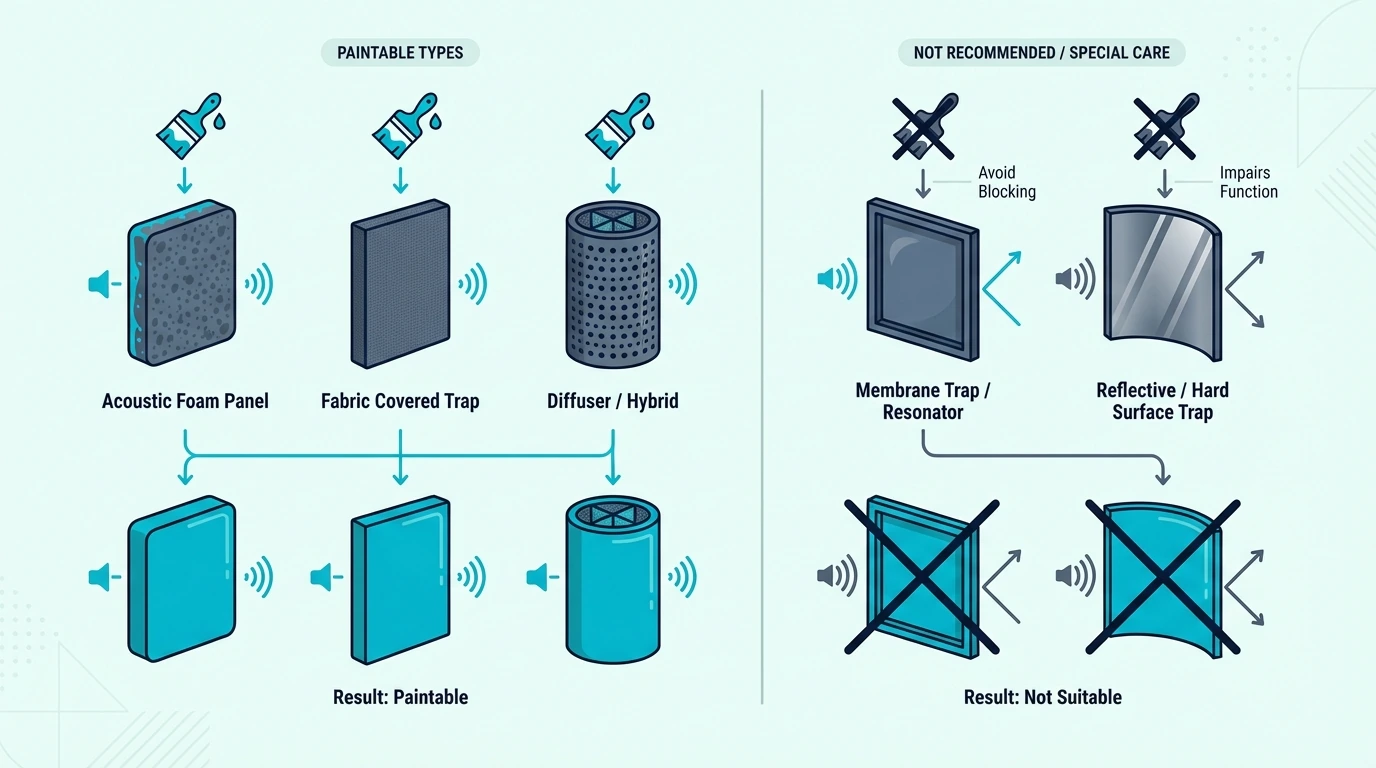
Different bass trap constructions lose different amounts of performance when painted. The damage depends on how directly the paint contacts the absorptive material.
Foam Bass Traps — Highest Performance Loss
Foam bass traps suffer the most from painting because the foam itself is the absorptive surface with no protective layer between paint and working material.
Open-cell acoustic foam has large, visible pores that clog easily. Even a light mist coat partially seals these pores, and the absorption loss compounds with each additional coat. Two coats of spray paint on foam typically reduces mid-frequency absorption by 20-30% and high-frequency absorption by even more.
Solvent-based spray paints (including many Rust-Oleum varieties) can dissolve certain foam types entirely, turning your bass trap into a melted, sticky mess. The bottom line with foam: do not paint it. Buy foam in the color you want, or cover it with acoustically transparent fabric if the color bothers you.
Fabric-Wrapped Bass Traps — Moderate Performance Loss
Fabric-wrapped traps lose less performance than foam because the fabric sits between the paint and the absorptive core. But the fabric itself is part of the acoustic design, chosen specifically for its airflow characteristics, and painting it changes those characteristics.
Fabric spray paint (Tulip or Simply Spray) bonds to individual threads rather than forming a continuous film, which preserves more breathability than standard paint. But even fabric spray paint adds mass and reduces the open area between threads — measurable in airflow resistance tests even if the effect seems subtle by ear.
Brushing or rolling paint onto fabric-wrapped traps causes the worst damage — brushes push paint through the weave and into the insulation behind it, while rollers apply far too much product per pass. If you insist on painting a fabric-wrapped panel, spraying is the only method that keeps the damage manageable.
Get Studio Tips Weekly
Join 5,000+ creators getting acoustic treatment advice every week.
No spam. Unsubscribe anytime.What Paint Causes The Least Damage To Bass Traps?
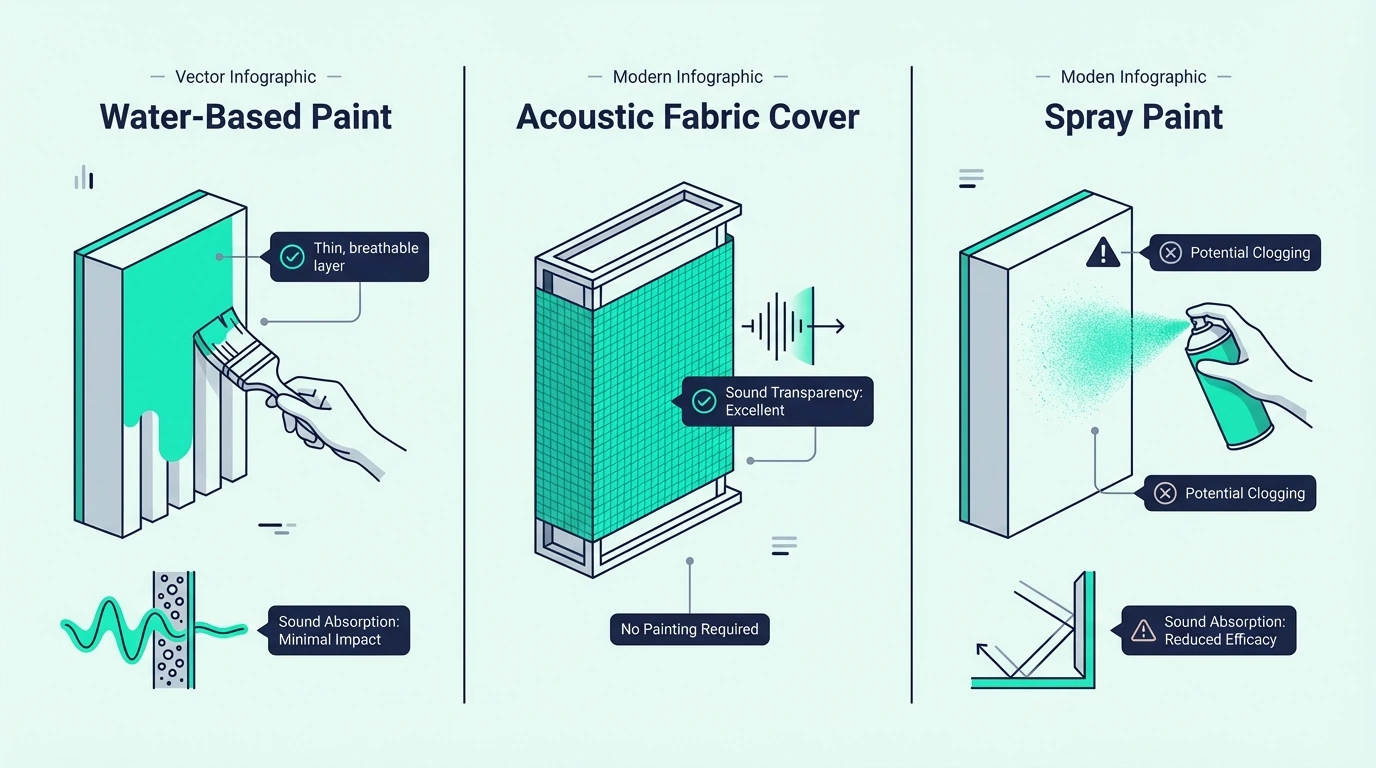
No paint leaves bass trap performance fully intact, but some types cause far less damage than others. If you have decided the cosmetic trade-off is worth it, these options minimize the acoustic cost.
Fabric spray paint (Tulip, Simply Spray) causes the least absorption loss on fabric-wrapped panels. These products bond to individual threads rather than forming a film, preserving more of the fabric’s open weave. Performance loss is typically under 10% at mid frequencies with a single light coat — still measurable, but the smallest penalty available.
Thinned latex paint (50% paint, 50% water) sprayed in very light coats is the next-best option. Thinning reduces the amount of solid material deposited per pass, but each additional coat adds more resistance. Three to four light coats for full color coverage will reduce mid-frequency absorption by roughly 10-15%.
“Acoustically transparent” paints (Acousti-Coat, Benjamin Moore acoustical ceiling paint) are marketed as safe for acoustic surfaces. They perform better than standard paint, but independent testing shows they still increase surface flow resistivity. “Transparent” is relative, not absolute.
Paints that cause severe or total performance loss: – Oil-based paint — forms an impermeable film that completely seals pores – Primer — designed specifically to seal surfaces, the opposite of what you need – Thick latex without thinning — too viscous, fills pores rather than coating fibers – Polyurethane or varnish — creates a hard, impermeable shell
The wooden frame, mounting hardware, and any non-acoustic structural elements can be painted freely. The frame does not absorb sound, so sealing it has zero acoustic impact.
How To Minimize Damage If You Must Paint Bass Traps
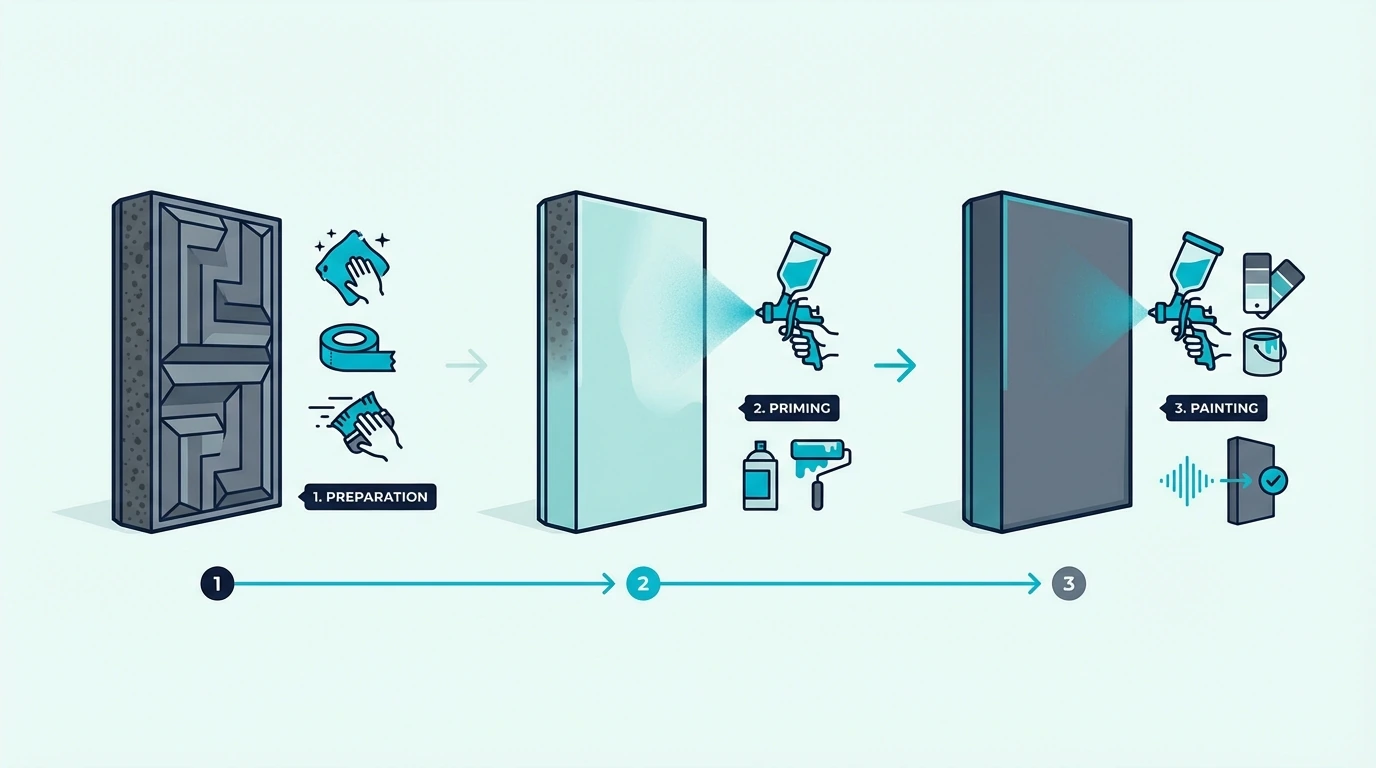
If you have weighed the trade-off and decided to paint, this process keeps the performance loss as small as possible. It applies to fabric-wrapped traps only — foam traps should not be painted at all.
Before you start: Remove the trap from the wall or corner, work in a well-ventilated area with drop cloths, mask off hardware and mounting brackets, and test your paint on a scrap piece of the same fabric first.
Step 1: Choose your paint and thin it. Use fabric spray paint or thin standard latex 50/50 with water. Never use unthinned paint directly from the can.
Step 2: Apply the first coat. Hold the spray 12-18 inches from the surface and use smooth, sweeping passes — each pass should be light enough that you can still see the original color through the new coat. If using a spray gun with thinned latex, set pressure low (15-20 PSI) to minimize paint volume per pass.
Step 3: Let it dry completely. Every paint type needs full drying before the next coat — usually 30-60 minutes for spray paint, 2-4 hours for thinned latex. Applying a second coat over wet paint creates a thick, sealed layer that causes significantly more absorption loss.
Step 4: Stop at the fewest coats possible. Each additional coat adds more airflow resistance. If partial color coverage is acceptable, two coats cause less damage than four. Dark colors over light surfaces are the worst case because they need the most coats for full coverage.
Step 5: Measure the damage. Let the painted trap cure for 24-48 hours before reinstalling. Compare the before and after frequency absorption response at your listening position with a calibrated mic like miniDSP UMIK-1 USB Measurement Calibrated Microphone, because measuring the room is the only reliable way to know how much performance the paint cost you.
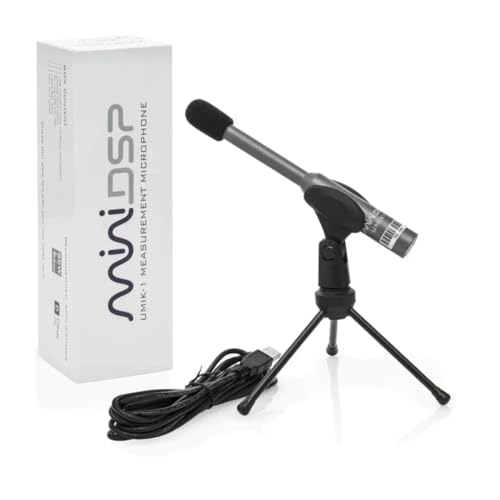
miniDSP UMIK-1 USB Measurement Calibrated Microphone
What guarantees the worst results: – Brushing or rolling paint onto the acoustic surface – Applying one thick coat instead of multiple thin ones – Painting over dusty or dirty surfaces – Using primer before paint (primer is designed to seal)
What Should You Do Instead Of Painting Bass Traps?
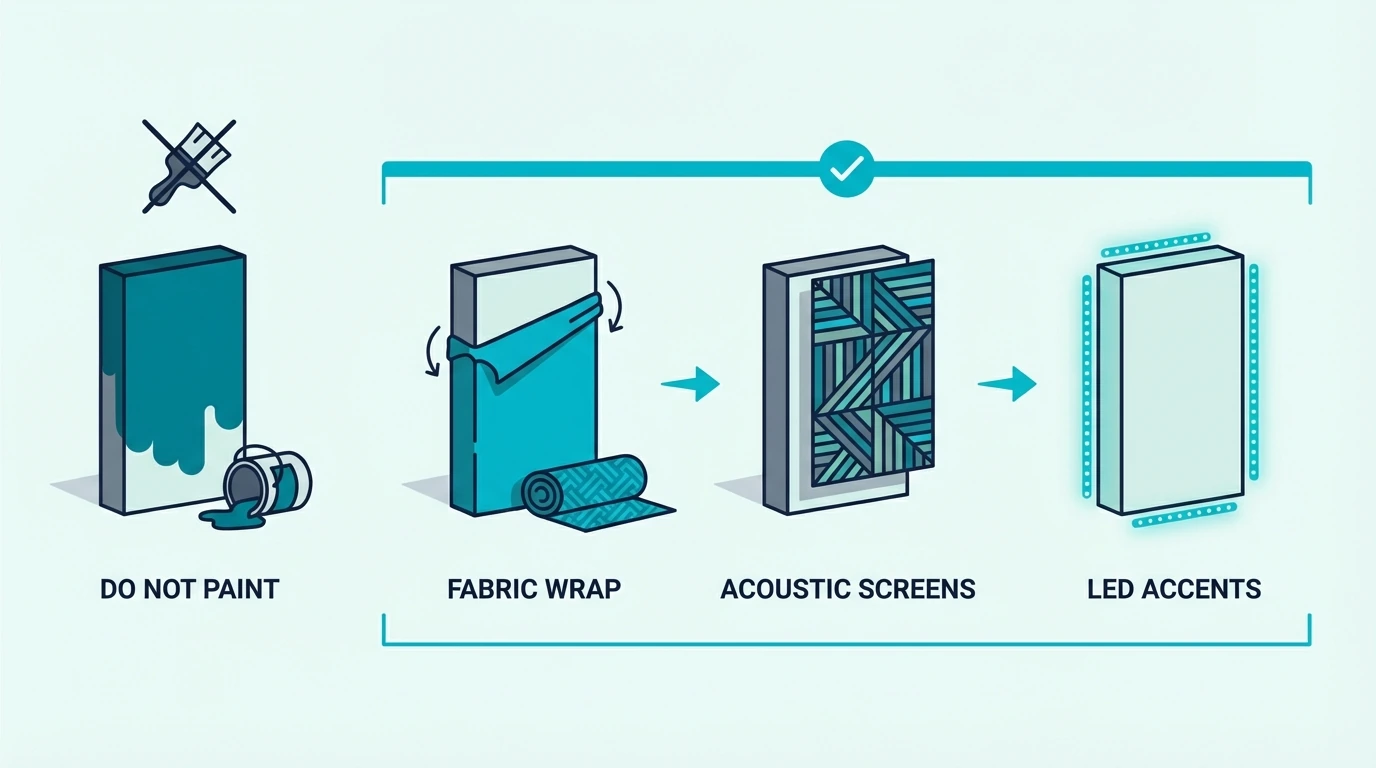
The better approach is to get the color you want without any paint touching the acoustic surface.
Choose fabric color during construction. If you are building DIY bass traps, select your wrapping fabric in the color you want from the start. An acoustically transparent option like Guilford of Maine Sona Acoustical Fabric lets you re-wrap or build in the finish you want without sealing the working surface. This gives you complete color control with zero absorption penalty, and it produces a more professional finish than any painted surface.

Guilford of Maine Sona Acoustical Fabric
Re-wrap existing panels with new fabric. If you already own fabric-wrapped traps and dislike the color, removing the old fabric and re-wrapping with a new color is straightforward. The insulation core is reusable, and re-wrapping takes about 20 minutes per panel with a staple gun — far less time than painting multiple coats with drying time between each.
Buy traps in the color you want. For foam traps, color selection at purchase is the only way to get the look you want without sacrificing performance. The 8 Pack Bass Traps Acoustic Foam Corner comes in black, which blends into most home studio environments without needing paint. If you need the frame to match furniture, finish only the non-acoustic wood trim — not the absorptive surface itself.
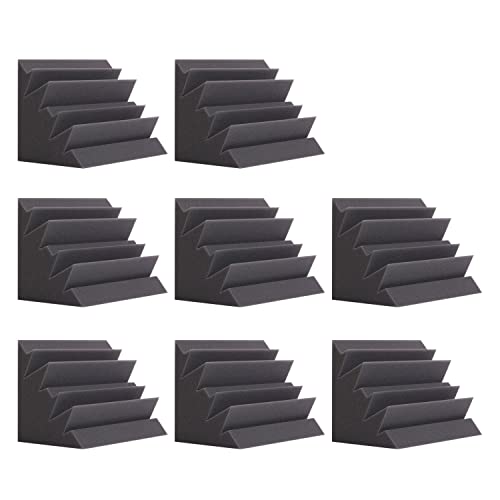
8 Pack Bass Traps Acoustic Foam Corner
Use strategic placement to hide traps. Bass traps work best in corners — positions that are naturally less visible. Ceiling-wall edges, behind furniture, and upper corners are all high-performance positions that also happen to be out of direct sight lines.
The Bottom Line
Painting bass traps always reduces acoustic performance. The reduction ranges from minor (a single light mist of fabric spray paint on a wrapped panel) to severe (standard wall paint on open-cell foam), but no paint leaves absorption fully intact.
The recommended approach is to avoid painting entirely — choose your fabric color during construction, re-wrap existing panels with new fabric, or buy foam traps in the color you want. These alternatives give you full color control with zero acoustic compromise.
If you decide to paint anyway, use only fabric spray paint or thinned latex (50/50 with water) applied with a spray gun in the fewest coats possible. Never brush, roll, prime, or use oil-based paint on any acoustic surface. And measure the before-and-after difference so you know exactly what the paint cost you in acoustic performance.
Frequently Asked Questions
Can SONOpan panels be painted?
SONOpan acoustic panels can be painted because they’re rigid engineered wood panels, not porous absorbers. Standard latex paint, primer, and even oil-based finishes work fine on SONOpan since the panel’s sound-absorbing mechanism doesn’t rely on surface porosity the way fiberglass or foam does.
Does painting bass traps void the warranty?
Most manufacturers’ warranties don’t cover modifications including painting — companies like GIK Acoustics and ATS Acoustics explicitly note that painting or modifying the fabric covering voids their product warranty. If warranty coverage matters, consider placement and fabric color selection instead of painting.
Can you stain wooden bass trap frames?
Wooden frames on bass traps can be stained, painted, or finished with any product you want. The frame is structural, not acoustic — it holds the absorptive material in place but doesn’t participate in sound absorption.
Refinishing the frame has zero impact on the trap’s acoustic performance.