Simple TV upgrade
Start here when the problem is clearer voices and more body in a small room. 2.1 adds the separate bass box; 2.0 keeps it simpler.
Dialogue mumbles, action falls flat, music sounds tinny — and turning the volume up just makes it worse. The cause is usually simple: the TV speakers are small, hidden, and aimed away from you. A soundbar can fix that, but only when the bar, TV connection, room size, ceiling, and seating all make sense together.
Choose the path that matches where you are now: buy the right bar, connect the one you have, fix a problem, or understand the specs before you spend.
Soundbar vs TV speakers
Read the comparisonIs a soundbar worth it?
Read the guideSoundbar vs no soundbar
Read the breakdownA soundbar number tells you what jobs you are buying: front sound, a subwoofer for weight, a centre speaker for voices, surround speakers around you, and height speakers for Atmos. Buy the number that solves your complaint and fits your room. Do not pay for channels your setup cannot use.
Front L+R, centre, surrounds. 2 = front pair · 3 adds a centre for dialogue · 5 adds surrounds · 7 adds rear surrounds too.
The bass box. 0 = none (rare) · 1 = one (almost every soundbar).
Atmos upfiring or ceiling pairs. 2 = a front pair · 4 = front + rear pairs. Two-number formats like 2.1 or 3.1 skip this digit entirely — no third number, no Atmos.
Adds a subwoofer. The .1 brings the low-end weight no front speaker pair can carry on its own — explosions, music kicks, footstep rumble.
Read 2.0 vs 2.1Adds a dedicated centre channel. Dialogue stops competing with music and effects for the same front speakers — voices come forward, the rest stays out of the way.
Read 2.1 vs 3.1Adds upfiring height speakers — the part that can make sound feel above you. The .2 is the digit that unlocks ceiling cues; without it, an Atmos badge on the box is mostly marketing.
Read Atmos vs 5.1The ladder below is not a race from cheap to expensive. Move up only when the next speaker job solves your complaint, fits your room, and can actually receive the signal from your TV.
Start here when the problem is clearer voices and more body in a small room. 2.1 adds the separate bass box; 2.0 keeps it simpler.
Choose this when speech is the main complaint. The centre channel separates voices from music and effects.
Step up only when your seating and room give rear and height effects enough space to work.
This is for large rooms with space around the couch. In smaller rooms, the extra speakers crowd each other instead of sounding bigger.
After the channel number, check whether the TV can actually send that promise to the bar. The port, cable, app, and source decide what the soundbar receives. Start with the best available connection, then use the guide that matches your setup before blaming the product.
Below you will see four room sizes, how sound actually fills each one, and which channel count fits. Tap the room that matches yours to jump to the right guide. Further down, a comparison table and four quick questions help you double-check.
Not sure which row is yours?Cross-check your room width against each channel level below — green means it earns its price at that size, amber means it works but barely, and red means skip it.
| Room size | 2.0 / 2.1 | 3.1 | 5.1.2 | 7.1.4 |
|---|---|---|---|---|
| < 12 ft wide Bedroom, office |
Earns itThe right fit. | OverkillCentre overlaps L/R. | SkipUpfiring collapses. | SkipZero surround wrap. |
| 12–18 ft wide Standard living |
Earns it2.1 with sub. | Earns itDialogue priority. | MarginalNeeds 9 ft ceiling. | SkipRoom too small. |
| 18–22 ft wide Large living, open-plan |
UnderpoweredThin at this size. | Earns it3.1 w/ strong sub. | Earns itReal surround wrap. | MarginalClose to working. |
| 22 ft+ wide Dedicated theatre |
SkipToo small for space. | UnderpoweredMissing surround. | Earns itWorks here. | Earns itRoom can use it. |
Common mismatch: Atmos in a 10×10 bedroom doesn’t have space to work. 5.1.2 in open-plan spills into the next room.
If the connection and room fit are right, check the setup before replacing hardware. A bar buried in a shelf, aimed below your ears, or paired with a sub in the wrong corner can sound broken even when the product is fine. These reads fix the common setup mistakes in order.
Atmos is only worth the extra money when the soundbar and the room can create sound above you. Before you pay for the badge, check three things: does the bar have real height speakers, will your ceiling reflect them properly, and would a simpler 2.1 or 3.1 bar be better for your room? These reads help you separate useful Atmos from sticker-only marketing.
Five room-fit picks. Each starts with the room size it earns in, the job it must do, our current pick, the tradeoff we accept, and a runner-up. Use the level that matches your room and viewing habits. If the product changes later, the buying logic still helps you choose — and the wider ranking lives at /best-soundbar/ when you are ready to compare models.
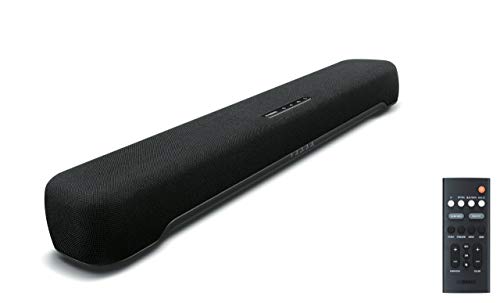 Last verified
Clean dialogue lift from a simple bar that replaces TV speakers without pretending to be a cinema system.
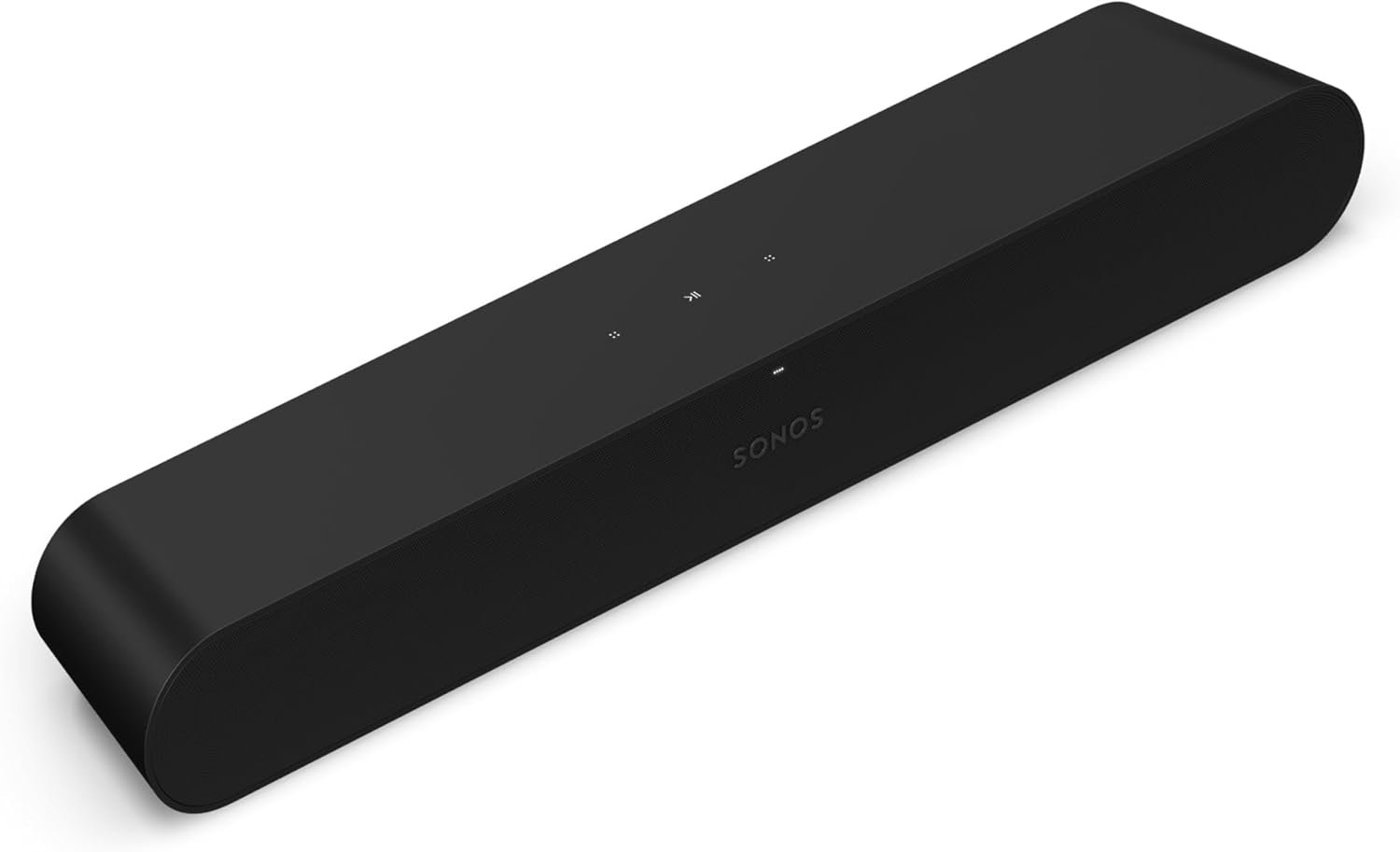 Last verified
The sensible everyday level: clear dialogue, compact footprint, and the Sonos ecosystem if you already use it. Pair a Sub Mini later if you want bass weight.
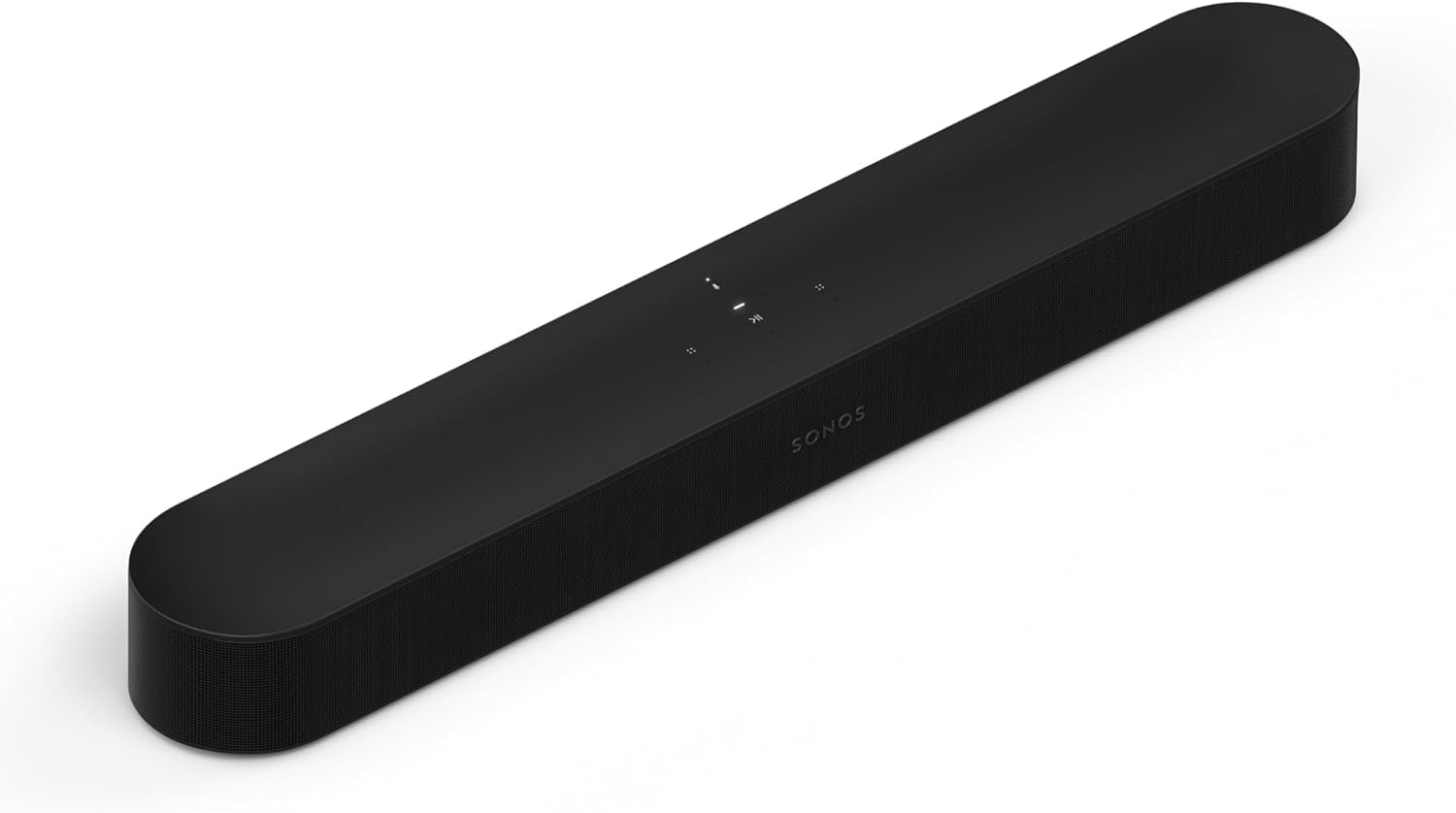 Last verified
A dedicated centre-focused soundbar for people who need voices to stay clear without adding a subwoofer to the room.
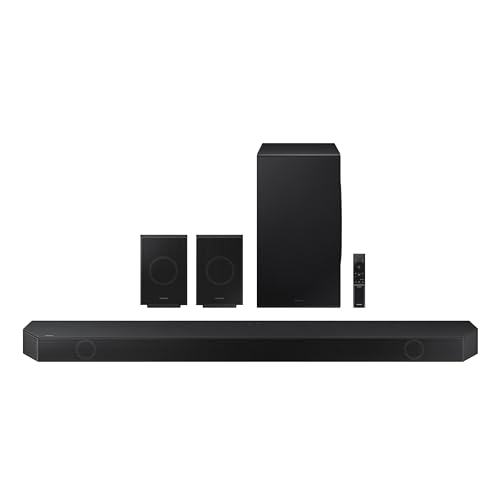 Last verified
This is where Atmos starts to make sense: real rear speakers, a real height attempt, and enough system scale for films.
Last verifiedUse the same flagship system only when the room is large enough to justify the full side-surround and height layout.
Affiliate We may earn a commission when you buy through price links. Picks stay tied to room fit, setup, and the job each level needs to do. See the full ranking
If you've worked through the chapters and the sound still isn't right, do not replace the bar yet. Start with the symptom you hear at the couch, run the cheap checks first, then use the guide that matches the problem.
Browse 108 soundbar guides. Start with the basics, move through decisions and fixes, or jump straight to buying guides.
If the TV connection, room fit, and setup check out, stop comparing soundbars and diagnose the room: echo, bass buildup, neighbour bleed, or reflections that smear dialogue.
The room-side fix when voices blur after the soundbar is placed correctly. Treatment changes reflections; it does not stop sound leaving the room.
Fix room reflectionsThe separate problem of keeping sound in the room instead of making the room sound nicer. This needs mass, sealed gaps, and isolation.
Stop sound escapingLow-frequency treatment for bass buildup and nulls. Use this when placement helps but the room still exaggerates the sub.
Control bass buildupAbsorption for glass, bare walls, and reflection-heavy rooms. Use panels when voices lose focus after the bar is already aimed and placed.
Treat first reflectionsScattering for rooms that need spaciousness without extra echo. Useful when absorption alone would make a larger TV room feel too dead.
Keep the room spacious