Audiophile Gifts: 10 Upgrades for Better Sound at Home
Of all the audiophile gifts, the Philips SHP9500 open-back headphones are the safest, because they plug into almost any system’s headphone jack, with an adapter in the box for the larger 1/4-inch jack on hi-fi amplifiers.
| Pick | Best for | Why |
|---|---|---|
| Philips SHP9500 | Any listener, any system | Adapter for both jack sizes |
| beyerdynamic DT 990 Pro | A listener with a headphone amp | 250-ohm open-back studio pair |
| Fosi Audio K7 | Listening at a computer | Four digital inputs |
| HumminGuru HG01 | A big record collection | Washes and dries in one cycle |
| Pro-Ject Debut EVO 2 | Moving up from a first deck | Carbon fiber tonearm |
| BXI Wood Sound Diffuser | A bare wall behind the seat | Scatters sound two ways |
| FOROOMACO Triangular Pyramid Bass Traps | Boomy bass | Shaped for ceiling corners |
| WiiM Ultra | Records, TV and streaming in one | Built-in phono input |
| WiiM Pro | An amplifier older than streaming | AirPlay 2 support |
| IsoAcoustics ISO-PUCK mini | Speakers on a shelf or desk | Decouples speakers from the shelf |
- ✓ Open, diffuse-field studio design
- ✓ Replacement velour pads available
- ✓ USB, optical, coax and Bluetooth inputs
- ✓ 3.5 mm and 4.4 mm headphone outputs
- ✓ Washes, drains and dries in one cycle
- ✓ Removable 400 ml water tank
- ✓ Carbon fiber tonearm
- ✓ Electronic 33/45 speed switch
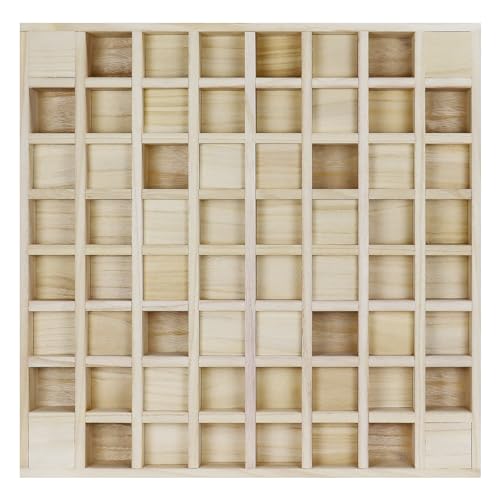
- ✓ 2D design scatters sound two ways
- ✓ Wood panel, 24 by 24 inches

- ✓ Shaped for ceiling corners
- ✓ Four traps per pack
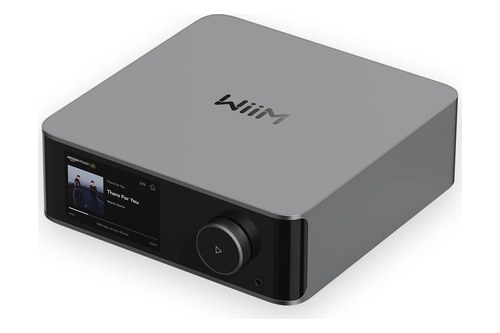
- ✓ Phono input for MM and MC cartridges
- ✓ HDMI ARC for the TV
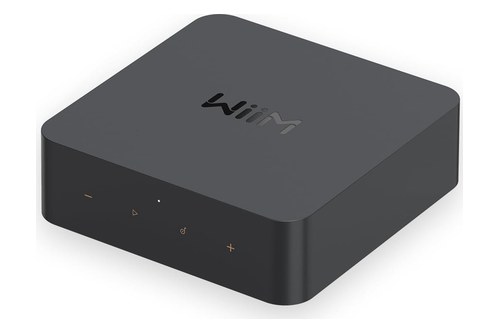
- ✓ AirPlay 2, Google Cast and Roon Ready
- ✓ RCA, optical and coaxial outputs
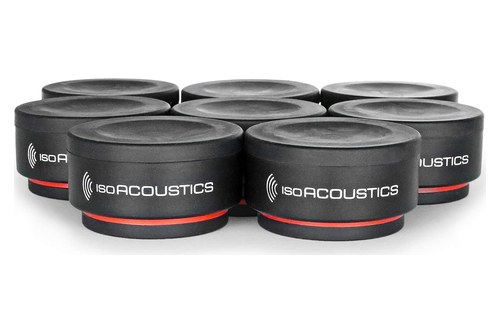
- ✓ Eight pucks, four per speaker
- ✓ Grips the cabinet's underside

Guess wrong about their system and the gift never leaves its box, like a streamer that repeats the one they use, a turntable with no phono input to plug into or a cartridge their tonearm can’t balance.
Match the gift to what’s already in their listening room, and it improves every record and stream they play from the first evening.
Gifts for an audiophile who has everything come first, then headphones, a DAC or headphone amp, turntable upgrades, room treatment, streaming, small gifts and what to avoid.
Start with the quick picks table, then go straight to the section that matches the system they already own.
What Do You Buy an Audiophile Who Has Everything?
That headphone pick is where the answer starts. Buy an audiophile who has everything a gift that improves what they already own, like open-back headphones for late-night listening, a deeper clean for their records or treatment for the room they listen in, instead of another component that has to match their system.
Headphones like the SHP9500 lead because they need nothing from the rest of the system except a headphone jack. A record cleaner works the same way for a vinyl collector, since every record on the shelf can go through it, and room treatment improves every source at once, from a turntable to a streamer.
The rest of the list depends on how they listen. A headphone listener at a computer gets the most from a DAC and headphone amp, a record collector from a better deck or an ultrasonic cleaner, and a listener with speakers from a streamer, isolation feet or treatment in the corners.
For a small gift or a stocking filler, the ISO-PUCK mini suits anyone with bookshelf speakers on a shelf, desk or stand. The descriptions come from the makers’ manuals, spec pages and listings.
Every pick met Burton Acoustix’s rating, review and stock checks on 7 November 2026.
Three questions narrow the list before you open a single listing. Do they listen mostly on headphones or on speakers, do they play records, and what’s plugged into the back of their amplifier?
If you can answer only the first, you can still buy well, because the headphones, the room treatment and the small gifts below don’t depend on the other two. The DAC, the turntable and both streamers do, which is why each of their sections says what to check first.
Here’s how that plays out for three people on a holiday list. A partner who listens on headphones at a desk is a headphones-and-DAC gift, a parent with a record collection and an old receiver is a cleaner or a streamer, and a friend who’s spent years choosing speakers is a room gift or a small one.
Which Headphones Make a Good Audiophile Gift?
Those first two rows of the table are headphones for a reason. Open-back headphones make the best audiophile gift for most listeners, because a pair plugs into the system they already own, and both pairs here, the Philips SHP9500 and the beyerdynamic DT 990 Pro, come with a 3.5 mm plug and a 1/4-inch adapter.
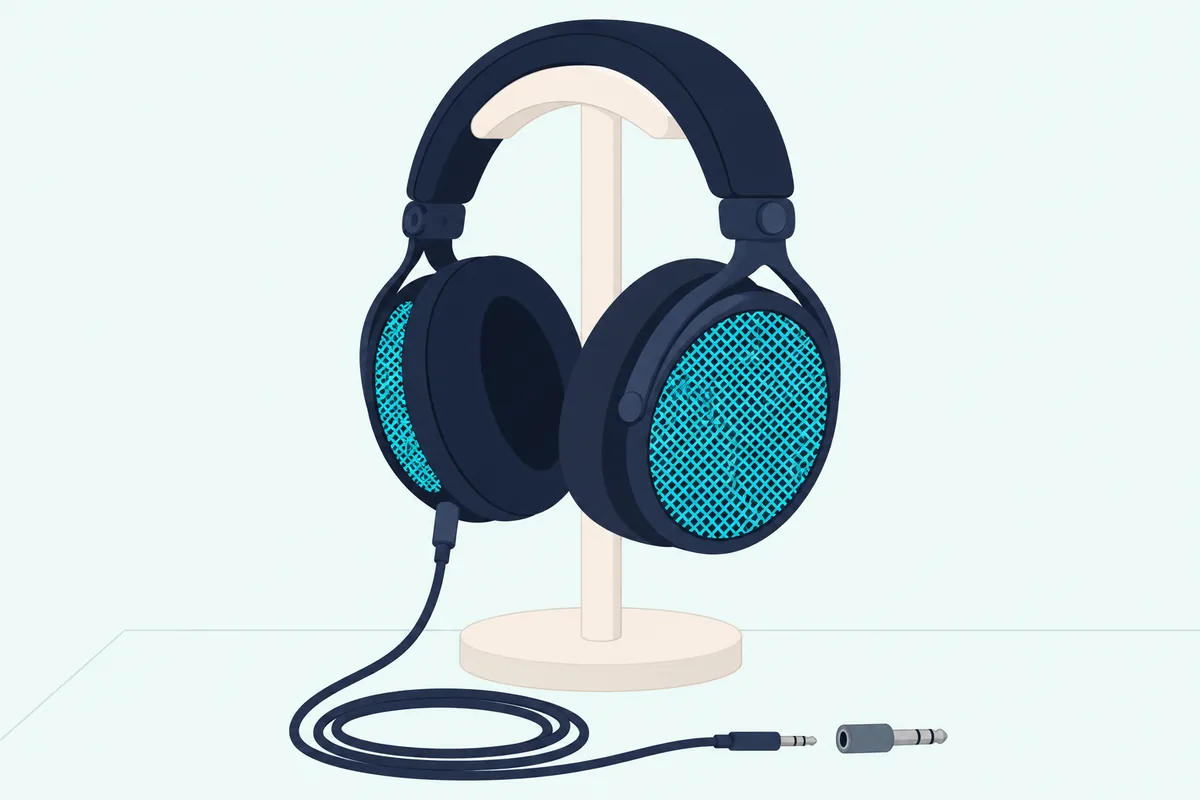
Open backs suit a quiet room at home. Philips’ leaflet explains that an open-back design stops air pressure building up behind the driver, giving the diaphragm more freedom to move, and the trade-off is that sound passes in and out of the ear cups, so they’re for the listening chair rather than a commute.
That makes them a different gift from the closed pair or the earbuds most people already own for travel. A listener with a portable, wireless noise-canceling pair for the train often has nothing open for home, and an open pair is the kind they’d choose for a long evening with an album.
Comfort is the other half of a gift they can’t try on first. Both pairs are circumaural, sitting around the ear rather than on it, and Philips lists breathable ear cushions for longer wearing comfort while beyerdynamic lists soft head and ear cushions.
Impedance decides which pair suits which listener. Philips rates the SHP9500 at 32 ohms, while the DT 990 Pro in this listing is the 250-ohm version, which asks more of a headphone output and pairs best with the amp in the next section.
Think of impedance like the weight of a door: a light door swings open with a small push, and a heavy one needs a firmer hand. A phone or laptop gives a small push, so the 32-ohm Philips is the safe gift for someone who listens at a laptop, and the 250-ohm beyerdynamic is the gift for someone with a dedicated amplifier.
Philips SHP9500
Spec: Open-back over-ear headphones; 50 mm neodymium drivers; 32 ohms; 12 Hz to 35 kHz; detachable one-sided cable; 3.5 mm plug with a 1/4-inch adapter; 320 g.
For any listener, whatever they play music on, the Philips SHP9500, here in black, is the pick. Philips’ SHP9500 leaflet lists 50 mm neodymium drivers angled to match the ear, a steel headband with a double-layered cushion, breathable ear cushions for long sessions and a gold-plated adapter that takes the 3.5 mm plug to a 1/4-inch jack.
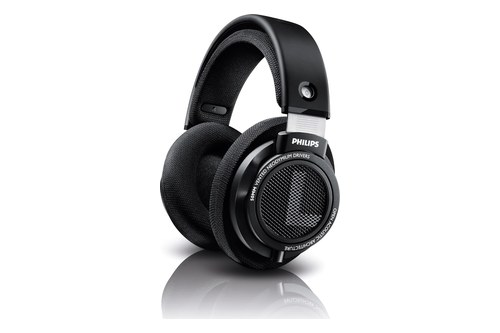
Philips SHP9500
The cable connects to one ear cup only and detaches, so a damaged cable can be swapped without replacing the headphones. At 320 g, they’re the lighter of the two pairs, which matters over a whole album.
Philips gives a frequency response of 12 Hz to 35 kHz and a maximum input of 200 mW. Those numbers matter less to a gift-giver than the plug, and the adapter in the box is what lets this pair move between a laptop and a hi-fi amplifier without a trip to the store.
beyerdynamic DT 990 Pro
Spec: Open-back, diffuse-field studio headphones; 250 ohms; 5 Hz to 35 kHz; 3 m coiled cable to one ear cup; 3.5 mm plug with a 1/4-inch adapter; 370 g.
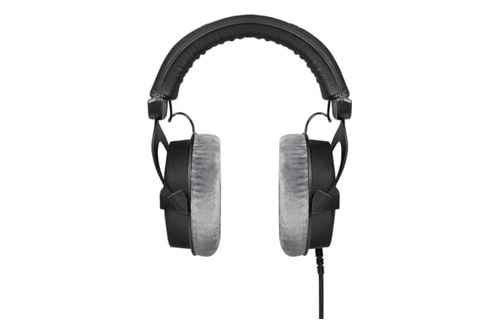
For a listener who already owns a headphone amp, or who’ll get the next section’s gift alongside it, the beyerdynamic DT 990 Pro, here in its 250-ohm version, is the pick. The maker’s DT 990 PRO data sheet describes an open, diffuse-field studio headphone with a spring-steel headband, a single-sided cable and a gold-plated 3.5 mm plug with a 1/4-inch adapter.
beyerdynamic DT 990 Pro
Its spare parts list includes a set of velour ear pads (EDT 990 V) and a headband cushion, so a well-worn pair can be refreshed rather than replaced. The 250-ohm version’s 3 m cable is coiled, long enough to reach an amplifier on a nearby rack.
The data sheet gives a range of 5 Hz to 35 kHz, a rated power of 100 mW and a weight of 370 g for the 250-ohm version. That makes it the heavier pair here by 50 g, and beyerdynamic says its spring-steel headband gives a secure fit and stands up to daily studio use.
Here’s how the two pairs compare on the figures that decide between them.
| Headphones | Impedance | Frequency range | Weight |
|---|---|---|---|
| Philips SHP9500 | 32 ohms | 12 Hz-35 kHz | 320 g |
| beyerdynamic DT 990 Pro | 250 ohms | 5 Hz-35 kHz | 370 g |
Pick by the impedance column: the SHP9500 for someone without a headphone amp, the DT 990 Pro for someone with one.
Is a DAC or Headphone Amp a Good Gift?
That 250-ohm rating is where a headphone amp earns its place. A DAC and headphone amp is a good gift for an audiophile who listens at a computer or owns high-impedance headphones, and the Fosi Audio K7 combines both, with USB, optical, coaxial and Bluetooth inputs, 3.5 mm and 4.4 mm headphone outputs and an RCA output for speakers, according to its listing’s photos.
A DAC turns the digital signal from a computer, TV or streamer into the analog signal that headphones and amplifiers use, and a headphone amp gives that signal the power to drive a demanding pair. A laptop’s own headphone jack does both jobs in a small way, which is why a desktop box is the upgrade.
The gift works best for three kinds of listener. It suits someone who streams at a desk through a laptop, someone whose CD player or TV has an optical output but no good headphone jack, and someone who owns, or is about to unwrap, the 250-ohm DT 990 Pro.
Skip it if they already own one, or if their streamer has a capable headphone output. WiiM lists performance figures for the 3.5 mm headphone output on the WiiM Ultra, further down, with both 300-ohm and 32-ohm headphones, so an Ultra owner may not need a second box on the desk.
A quick check settles it. Look at the front of whatever they listen through: a single small headphone jack on a laptop is the case for the K7, and a separate amplifier with its own volume knob and headphone socket usually means they’ve covered this already.
The inputs tell you which sources it can take. Optical and coaxial inputs suit a CD or DVD player, or a TV with an optical output, since both carry a digital signal the K7 converts itself, while USB suits a computer and Bluetooth covers a phone.
Fosi Audio K7
Spec: DAC and headphone amp; AKM AK4493SEQ DAC chip; USB, optical, coaxial and Bluetooth inputs; 3.5 mm and 4.4 mm headphone outputs; RCA output; 1.5-inch display; 12 V power supply; 530 g.
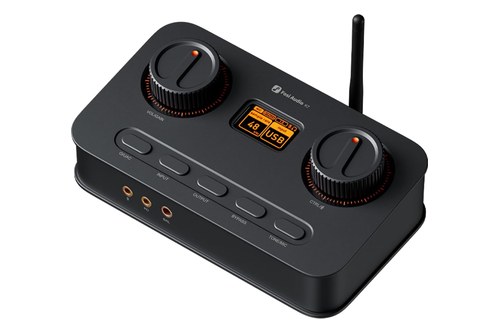
For a listener at a computer, the Fosi Audio K7 is the pick. Its listing’s photos name an AKM AK4493SEQ DAC chip and a TI TPA6120 headphone amp chip, sample rates up to PCM 32-bit/384 kHz and DSD256, and a 121 dB signal-to-noise ratio.
Fosi Audio K7
The same photos show a 1.5-inch display that reads the input and sample rate, two large knobs, and a box holding a USB-A/C to USB-C cable, a Bluetooth antenna, a Y-splitter cable and a 12 V power supply. Its front jacks take a 3.5 mm plug or a 4.4 mm balanced one, marked BAL, so the DT 990 Pro’s 3.5 mm plug goes straight in.
The listing’s connection diagram also runs the RCA output to powered speakers, or to an amplifier with passive speakers, so the K7 can sit between a computer and a desk system as well as a pair of headphones. It measures 155 by 95 by 55 mm and weighs 530 g, small enough to sit beside a laptop.
The 4.4 mm output is for headphones with a balanced cable, which some audiophiles buy as an upgrade later. A pair with a standard 3.5 mm plug, like both pairs above, uses the other jack, so the K7 suits either kind without an adapter.
What Gifts Upgrade a Turntable Setup?
Those boxes serve digital music, but a record collector’s upgrades start at the turntable. The two gifts that upgrade a turntable setup most are a deeper clean for the records, like the HumminGuru HG01 ultrasonic cleaner, and a better deck, like the Pro-Ject Debut EVO 2, for someone still playing on an entry-level turntable.
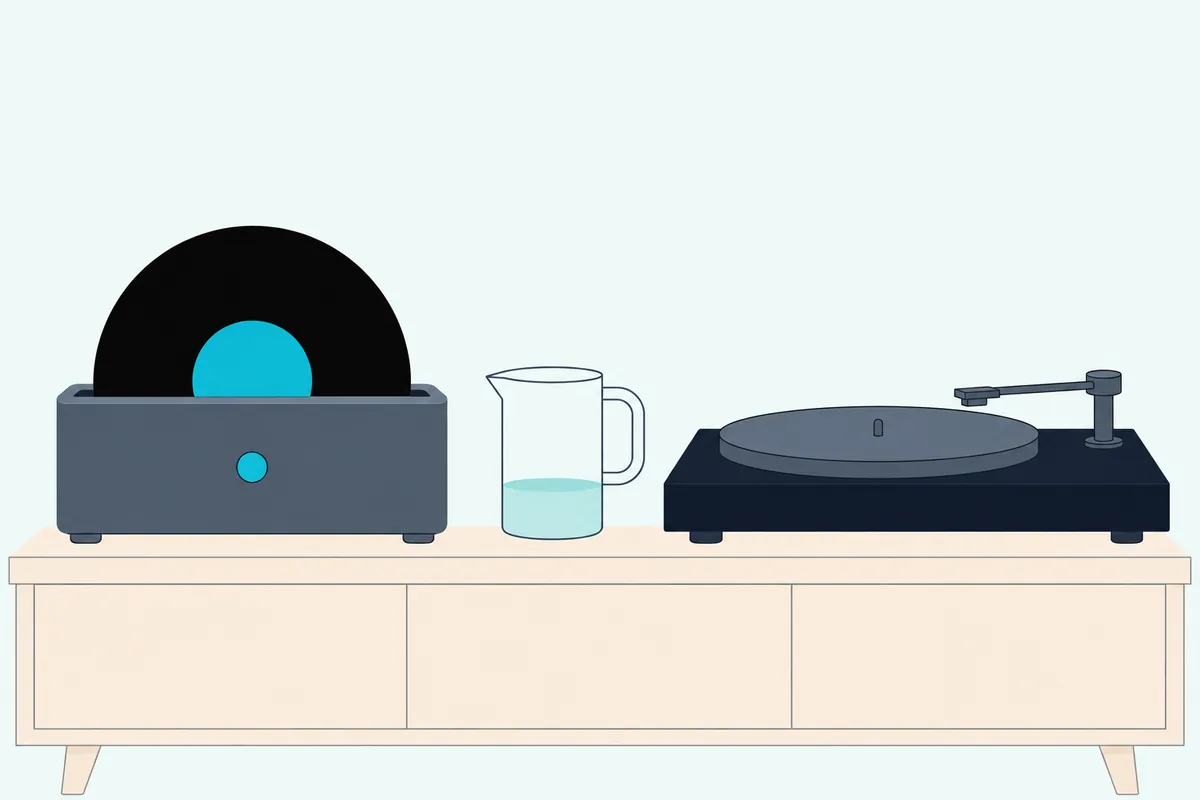
A cleaner improves every record already on the shelf, which makes it the safer of the two. A turntable only makes sense if you know what it plugs into, since the EVO 2 needs a phono input on the amplifier, a separate phono stage or a streamer with a phono input of its own, like the WiiM Ultra.
Ultrasonic cleaning is the step past a brush. A brush lifts dust from the surface, while an ultrasonic bath shakes dirt loose in water, and HumminGuru’s machine does it at 40 kHz before draining the basin and drying the record with a fan.
A collector who’d rather have brushes, sleeves or storage is better served by our gift guide for vinyl lovers, which covers cleaning by hand. This page sticks to the two upgrades that change the whole setup.
HumminGuru HG01
Spec: Ultrasonic record cleaner; 40 kHz; 2- or 5-minute wash with automatic draining; 5 or 10 minutes of fan drying; 400 ml removable water tank; one 12-inch record at a time; 3.1 kg.
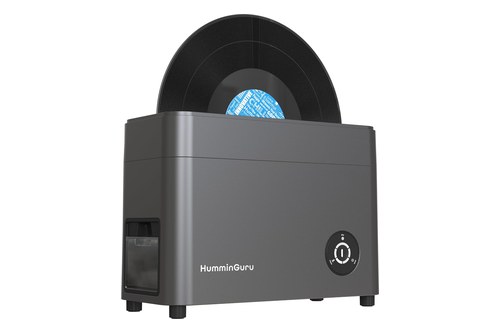
For a collector with a big shelf of records, the HumminGuru HG01, here in dark gray, is the pick. HumminGuru’s HG01 owner’s manual describes an auto mode that washes a record ultrasonically for 2 or 5 minutes, drains the water and dries it for 5 or 10 minutes in one cycle.
HumminGuru HG01
The 400 ml tank is removable and marked with fill levels for 7-, 10- and 12-inch records, and HumminGuru says to use distilled water only, since limescale in tap water may leave residue in the machine. It cleans one record at a time, and 7- and 10-inch records need HumminGuru’s record adapter, sold separately.
The box includes a replacement kit of two pairs of rotation wheels, five air filters and five water filters, and HumminGuru covers the HG01 with a one-year limited warranty. Add a jug of distilled water to the gift so it can run the day it’s opened.
HumminGuru also asks owners not to run it for more than an hour at a stretch and to let it cool for at least 30 minutes. For a big collection, that means an evening’s batch rather than the whole shelf at once.
The manual matches the setting to the record, too. It suggests the 2-minute cleaning cycle for new records or records with light dust, and the 5-minute cycle for records that are considerably dirty, like a box of secondhand finds.
Pro-Ject Debut EVO 2
Spec: Manual belt-drive turntable; electronic 33/45 speed control; 8.6-inch carbon fiber tonearm; pre-mounted Pick it MM EVO cartridge; 1.7 kg die-cast aluminum platter; needs a phono input or a phono preamp; 6 kg (13.2 lb).
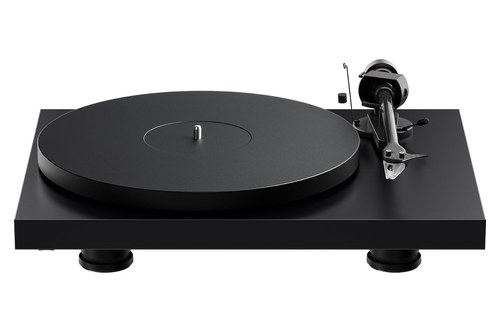
For a listener moving up from an entry-level deck, the Pro-Ject Debut EVO 2, here in black satin, is the pick. Henley Audio’s Debut EVO 2 page lists an 8.6-inch carbon fiber tonearm, a Pick it MM EVO cartridge co-designed with Ortofon, a 1.7 kg die-cast aluminum platter and three height-adjustable metal feet.
Pro-Ject Debut EVO 2
The box holds a dust cover, a felt mat and a Connect it E phono cable, according to Henley, and Pro-Ject’s Debut EVO 2 instructions say the deck arrives partly disassembled, with a two-point alignment protractor. The instructions set the cartridge’s tracking force at 1.8 g and send its cable to a phono input, since line inputs such as CD or tuner aren’t suitable.
Henley calls the EVO 2 an extensively upgradeable turntable and lists it as eligible for Pro-Ject’s EVO tonearm upgrade scheme, which suits a listener who’ll keep tinkering. It also comes in six satin paints, three high gloss paints or a walnut veneer, so the finish can match their furniture.
Setting it up is part of the gift, and the instructions walk through it in order. They cover fitting the belt and platter, balancing the tonearm with its counterweight and setting the anti-skating weight to match the 1.8 g tracking force.
The same deck is the step-up pick on Burton Acoustix’s list of first turntables for beginners, where a listener who’d rather have an automatic deck will find easier choices. If their amplifier lacks a phono input, how a turntable preamp fits in explains the small box that bridges the gap.
Can Room Treatment Be an Audiophile Gift?
A cleaner record and a better tonearm only go as far as the room lets them. Room treatment can be an audiophile gift when you give the piece their room is missing, like a wooden diffuser for a bare wall behind the listening chair or foam bass traps for the ceiling corners, and it’s the one upgrade that improves every source they play.

Treatment works on the room, not the gear, which is why it suits a listener who has everything. Absorbers soak up sound, diffusers scatter it so a room sounds open rather than dead, and bass traps go in corners, where ATS Acoustics says its corner traps absorb low-frequency sound, whether two walls meet or a wall meets the ceiling or floor.
The ceiling corners matter more than most people expect. ATS’s bass trap page describes the three-way corner where walls and ceiling meet as a place where extra sound builds up and reflections occur, which is the corner the FOROOMACO traps below are shaped for.
Here’s a quick test that tells you which gift their room needs. Clap once in the middle of the room: a ringing flutter between bare walls points to a diffuser or panels, while a boomy, uneven low end on bass-heavy music points to the corners.
Ask before you hang anything, since treatment changes how a room looks as well as how it sounds. The reflection points worth treating first show where panels go in a listening room, and the two picks below cover the back wall and the corners.
The room itself decides how welcome the gift is. In a dedicated listening room or a den, corner traps and a diffuser are easy to place, while in a shared living room a single wooden diffuser that reads as wall art is the easier sell than foam in every corner.
BXI Wood Sound Diffuser
Spec: 2D quadratic residue diffuser; wood; 24 x 24 x 2.8 in; hanging hardware sold separately.
For a bare wall behind the listening chair, the BXI Wood Sound Diffuser, in its 2D version, is the pick. Its listing’s photos describe a 2D quadratic residue design that scatters sound in two dimensions, in a wood panel 24 by 24 inches and 2.8 inches deep.
BXI Wood Sound Diffuser
The listing suits it to home theaters, music rooms and living rooms, and its installation photo shows a sawtooth picture hanger or anchor screws, sold separately, so add a hanger to the gift. The squares of different depths are what scatter the sound, which is why a diffuser looks like a grid of wells rather than a flat panel.
Wells only 2.8 inches deep work on the mids and highs, so a diffuser like this won’t fix a boomy low end. That’s the bass traps’ job, and where a diffuser belongs in a listening room covers the rear wall and the distance from the seat, while the sound diffusers we’ve compared include a 1D version of this panel.
FOROOMACO Triangular Pyramid Bass Traps
Spec: Polyurethane foam corner traps; four per pack; 16.5-inch triangular faces, 12 inches deep; shaped for the corners where two walls meet the ceiling.
For a room whose bass sounds boomy, the FOROOMACO Triangular Pyramid Bass Traps, in black, are the pick. Their listing describes a 4-pack of triangular pyramid traps for ceiling corners in polyurethane foam, and its photos give each one 16.5-inch sides and a 12-inch depth.
FOROOMACO Triangular Pyramid Bass Traps
The listing’s installation photo places each trap in a ceiling corner, so a 4-pack covers the four upper corners of a rectangular room. Bass traps along the ceiling line covers hanging traps overhead and how far below the ceiling they can sit.
Foam is the easy gift to hang, while a listener chasing the deepest bass may want ATS’s corner traps, whose core is a mix of Rockboard 60 and AFB mineral wool. ATS’s low-range versions absorb extra bass and less of the mids and highs, and the foam bass traps we’ve compared set this pack against the other foam shapes.
Which Streaming Gifts Suit an Audiophile?
Those corners treat the room, but a streamer decides what reaches it. The streaming gift that suits most audiophiles is one that feeds the amplifier they already own, and WiiM makes two: the WiiM Pro adds AirPlay 2, Google Cast, Spotify Connect, TIDAL Connect and Roon Ready playback to an older stereo, and the WiiM Ultra adds a touchscreen, a phono input and HDMI ARC for the TV.
Check how they stream before you choose. WiiM’s Ultra page says AirPlay 2 isn’t supported, so a household that plays from iPhones over AirPlay gets more from the Pro, while a listener with a turntable and a TV in the same system gets more from the Ultra.
A streamer is a source, not an amplifier, so it needs something to play through. WiiM says the Pro connects to an amplifier or receiver for passive speakers, or straight to powered speakers with RCA inputs, and the Ultra does the same with its line output.
Both run WiiM’s RoomFit room correction and a 10-band graphic or parametric EQ, which shape the sound to the room in software. RoomFit works on top of treatment rather than instead of it, the same order Burton Acoustix sets for treatment and room correction.
The streaming names on the box are worth decoding for a gift-giver. AirPlay 2 is Apple’s way of sending music from an iPhone or Mac, Google Cast does the same from Android phones and Cast-enabled apps, and Roon Ready matters only to a listener who already runs Roon’s library software.
A streamer also grows with them. WiiM says its devices group for synchronized playback across rooms, so a second WiiM later can build a multi-room system around the first gift.
Here’s a scenario that shows the difference. A listener with a 20-year-old stereo amplifier, a CD player and an iPhone gets the most from the Pro, while one with a TV, a turntable and no phono input on the amplifier gets the most from the Ultra, which takes the TV over HDMI and the turntable through its phono input.
WiiM Ultra
Spec: Streamer and preamp; ESS ES9038Q2M DAC; phono (MM/MC), line, optical and HDMI ARC inputs; line, optical, coaxial, USB, headphone and subwoofer outputs; 3.5-inch touchscreen; voice remote included.
For a system that plays records, the TV and streaming, the WiiM Ultra, here in space gray, is the pick. WiiM’s Ultra page lists an ESS ES9038Q2M DAC, a phono input for MM and MC cartridges, HDMI ARC for Stereo PCM and Dolby Digital, and a subwoofer output beside line, optical, coaxial and USB outputs.
WiiM Ultra
WiiM notes that DTS isn’t supported over HDMI ARC. The box holds a voice remote, a phono ground adapter and RCA, HDMI and optical cables, so the gift connects on the day.
The phono input is what makes the Ultra a turntable gift as well as a streaming one. Plug in a deck such as the Debut EVO 2, which needs a phono stage, and the Ultra handles it, then switches to the TV or a playlist from the same touchscreen.
WiiM also lists a USB port for external storage, so a listener can access a personal library of music files from a drive, and a 12 V trigger output, the kind that switches a compatible amplifier on with it. Thanks to its subwoofer output, a pair of bookshelf speakers can gain a powered subwoofer later without another box.
WiiM Pro
Spec: Network streamer; RCA line, optical and coaxial outputs; line and optical inputs; Wi-Fi and Ethernet; up to 24-bit/192 kHz; voice remote sold separately.
For a listener whose amplifier is older than streaming, the WiiM Pro is the pick. WiiM’s Pro page calls it a streamer, not an amplifier, that connects to an amplifier or receiver, to powered speakers with RCA inputs, or to an external DAC through its optical or coaxial output.
WiiM Pro
WiiM lists playback up to 24-bit/192 kHz from supported sources, and an analog source such as a CD player or a turntable with its own preamp can join through Line In and play across a group of WiiM devices. The optional voice remote isn’t in the box, and setup runs through the WiiM Home app in four steps, with RoomFit among them.
The optical and coaxial outputs matter for a listener who already owns a good DAC. WiiM describes the Pro as a digital transport for that case, so it adds streaming without replacing the converter they chose.
What Small Audiophile Gifts Are Worth Giving?
A streamer is a big gift, but the small ones finish a system rather than start one. The small audiophile gifts worth giving improve gear they already own, like a set of IsoAcoustics ISO-PUCK mini isolators under their bookshelf speakers, a set of replacement velour ear pads for a worn DT 990 Pro or HumminGuru’s adapter for an HG01 owner who collects 7-inch singles.
These work best for someone whose system you’ve seen. A quick look at their shelf tells you whether the speakers sit straight on it, which is where isolators go.
The ear pads and the adapter are the kind of gift only a close friend thinks of. Both come from the makers’ own parts lists, beyerdynamic’s EDT 990 V velour pads and HumminGuru’s 7- and 10-inch record adapter, so they fit the gear they’re for.
Small gifts also make good stocking fillers through the holiday season, when the bigger gift has already been chosen. Paired with a bigger gift, they finish it: pucks under new speakers, distilled water beside a new cleaner, or an adapter with a new pair of headphones that lack one.
IsoAcoustics ISO-PUCK mini
Spec: Speaker isolators; eight per pack; 6 lb (2.75 kg) per puck; at least three per speaker; no height or tilt adjustment.
For bookshelf speakers on a shelf, desk or stand, the IsoAcoustics ISO-PUCK mini, here as an 8-pack, is the pick. IsoAcoustics’ ISO-PUCK page says the pucks decouple speakers from the surface under them, with an upper flange that grips the underside of the cabinet and a lower one that anchors to the shelf.
IsoAcoustics ISO-PUCK mini
Each mini carries up to 6 lb, and IsoAcoustics asks for at least three under each speaker and recommends staying 10% under the limit. An 8-pack puts four under each speaker of a pair, for speakers up to about 21 lb each.
The pucks face forward with the logo toward the listener, and they don’t adjust height or tilt. For angled speakers, IsoAcoustics points to its stands instead, so check that their speakers sit flat before you wrap these.
What Should You Avoid Buying an Audiophile?
Those small gifts work because they fit gear you can see, and the ones to avoid depend on gear you can’t. Avoid buying an audiophile anything that has to match a component you haven’t checked, such as a phono cartridge for a tonearm you’ve never seen, a streamer that repeats one they already use or 250-ohm headphones for someone who listens on a phone.
A cartridge is the clearest case. Pro-Ject’s instructions say the EVO 2’s supplied counterweight suits cartridges weighing 6 to 8.5 g, so even a cartridge that fits the headshell may need other parts to balance, and that’s a choice to make with them, not for them.
Cleaning fluids are the second trap. HumminGuru says to use distilled water only in the HG01 and that cleaning agents or fluids its manual doesn’t specify void the warranty, so a bottle of record-cleaning fluid is the wrong add-on for an ultrasonic cleaner.
A turntable without the right input is the third. Look at the back of their amplifier for an input marked PHONO, which Pro-Ject says is sometimes labeled gram, disc or RIAA, before a deck goes under the tree.
A second streamer is the fourth, and the easiest to miss, because streamers are small and sit out of sight. A compact box behind the amplifier with a network cable, or a streaming app they use now to play music through the stereo, usually means streaming is already covered, so choose a gift for the room or the records instead.
Gear that depends on taste is the last. A gift card for a pair of speakers they’ll choose themselves beats a pair you chose for them, because speakers are the part of a system an audiophile is most likely to have strong views on.
When you can’t check any of this, give something that needs nothing from their system. That’s why the headphones at the top of this page come first.
The Bottom Line
All of that points to the Philips SHP9500 as the safest audiophile gift: open-back headphones with 50 mm drivers, a detachable cable and an adapter for the larger 1/4-inch jack.
Choose the DT 990 Pro with the Fosi Audio K7 for a headphone listener, the HG01 or Debut EVO 2 for a record collector, the BXI diffuser or FOROOMACO traps for the room, the WiiM Ultra or WiiM Pro for streaming, and the ISO-PUCK mini as a small gift. Whatever you pick, look at the back of their amplifier first.
If you can’t, the SHP9500 is the gift on this page most likely to suit any listener.
Frequently Asked Questions
Is a hi-res streaming subscription a good audiophile gift?
Yes, if you know which service and plan they already use. WiiM lists Spotify, Amazon Music, TIDAL, Qobuz and Deezer among the services its streamers play, but WiiM notes that availability and audio quality vary by service, plan, region, source and output, so a subscription gift should match the quality their system can actually play.
How can you find out what audio gear someone owns?
Ask for a photo of the back of their amplifier or receiver, or look while you’re visiting. The labels on the inputs tell you whether a turntable, a streamer’s digital output or a TV can plug in, and the size of the headphone socket on the front tells you whether a pair needs the larger 1/4-inch plug.
Does a music streamer need Wi-Fi?
Not always. WiiM lists both Wi-Fi and Ethernet on the WiiM Ultra and WiiM Pro, so either can join a home network wirelessly or by cable, and setup still runs through the WiiM Home app on a phone, which WiiM says has to be on the same network as the streamer.