Do Egg Cartons Work for Soundproofing?
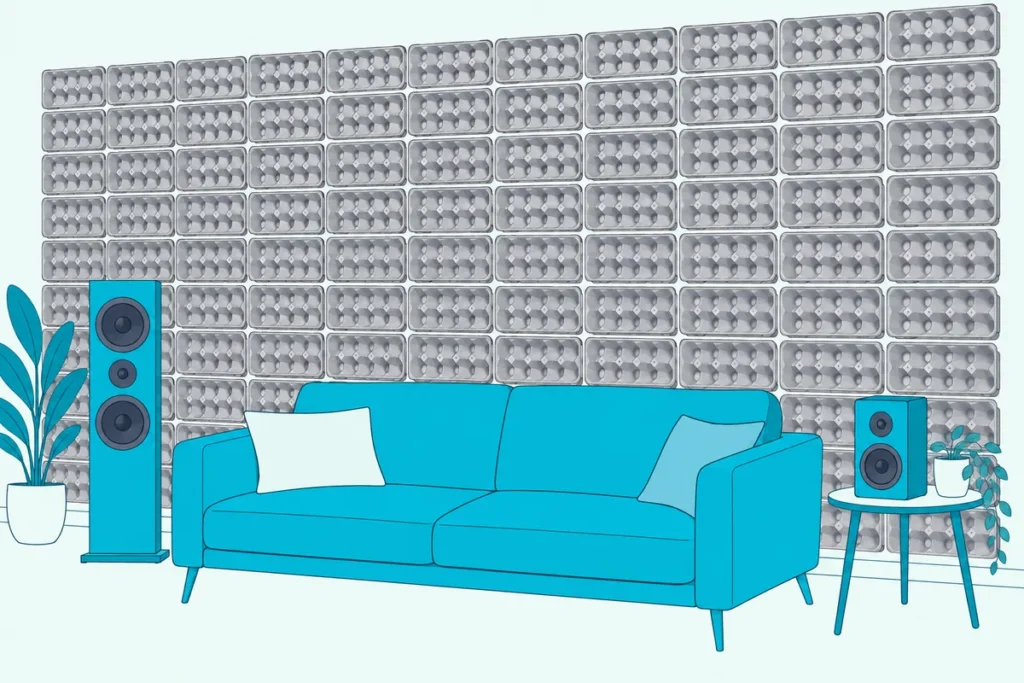
Using egg cartons for soundproofing doesn’t stop noise, because paper trays are light and full of gaps, and only heavy, sealed layers block sound.
The idea sticks because studio foam looks a lot like an egg carton, and covering a wall in something bumpy feels like it should do something.
It does a little, but that little is echo control inside the room, not noise blocking between rooms.
The difference matters when the goal is keeping a neighbor’s TV out, or a drum kit in.
Below are what one conference paper measured, what egg trays can and can’t do, and the cheap fixes that do block sound.
Do Egg Cartons Work for Soundproofing?
No, not for blocking noise, and the reason is what soundproofing needs. Acoustical Surfaces, a US acoustics supplier, defines soundproofing as preventing sound from entering or leaving a space by blocking it with dense, heavy materials (Acoustical Surfaces).
A paper egg tray is the opposite of dense and heavy. It’s thin, it’s mostly air, and there are gaps between and behind the cups, so sound passes through it much as it passes through the wall it’s stuck to.
Our explainer on what real soundproofing is made of covers the mass, damping and sealing ideas that do stop noise, and why none of them come from a wall of trays.
What Is the Difference Between Soundproofing and Sound Absorption?
Those two jobs use opposite materials, which is where the egg carton idea goes wrong. Acoustical Surfaces says sound absorption improves the sound inside a space by reducing echo and reverberation, using light, porous materials that trap sound waves.
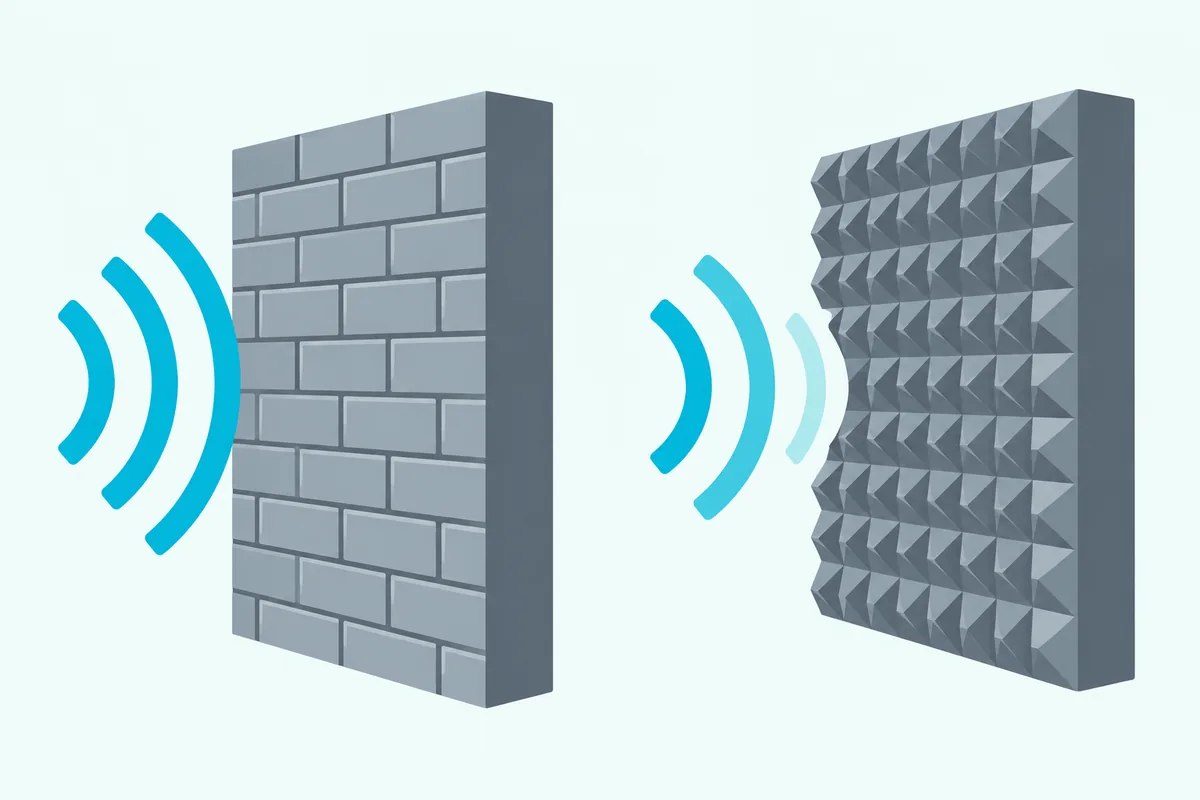
Its examples show the split. Soundproofing uses dense, heavy substances such as brick, concrete, lead and rubber, and absorption uses soft, porous ones such as foam or fabric, which trap sound waves in tiny openings the way a sponge traps water.
| Job | Materials that do it | Where the sound goes |
|---|---|---|
| Soundproofing | Dense, heavy layers such as brick, concrete, lead and rubber | Blocked from entering or leaving the room |
| Sound absorption | Light, porous materials such as foam and fabric | Absorbed inside the room, which cuts echo |
A paper egg tray is light like an absorber but nowhere near porous or thick enough to act like one, and it’s far too light to block anything. That’s why it fails the first job and only helps a little with the second.
Get Studio Tips Weekly
Join 5,000+ creators getting acoustic treatment advice every week.
No spam. Unsubscribe anytime.Why Do People Think Egg Cartons Work?
The myth comes from a lookalike. Soundstop, a UK soundproofing shop, points out that some sound panels in recording studios look a lot like egg boxes, though they’re made of special high-density foam designed to absorb sound (Soundstop).
The second reason is that a bumpy wall really does change how a room sounds. Soundstop’s point is that this reduces echo inside the room, which is a different job from stopping noise crossing the wall.
That’s why the myth survives. People hang trays, hear a slightly less echoing room, and assume the noise problem is solved.
What Has Been Measured on Egg Trays?
Very little is measured on bare cartons, and what exists is about echo. A conference paper from Universiti Tun Hussein Onn Malaysia tested a panel of egg tray, coir fibre and a fabric wrapping, 1 m by 1 m and 6 mm thick (E3S Web of Conferences).
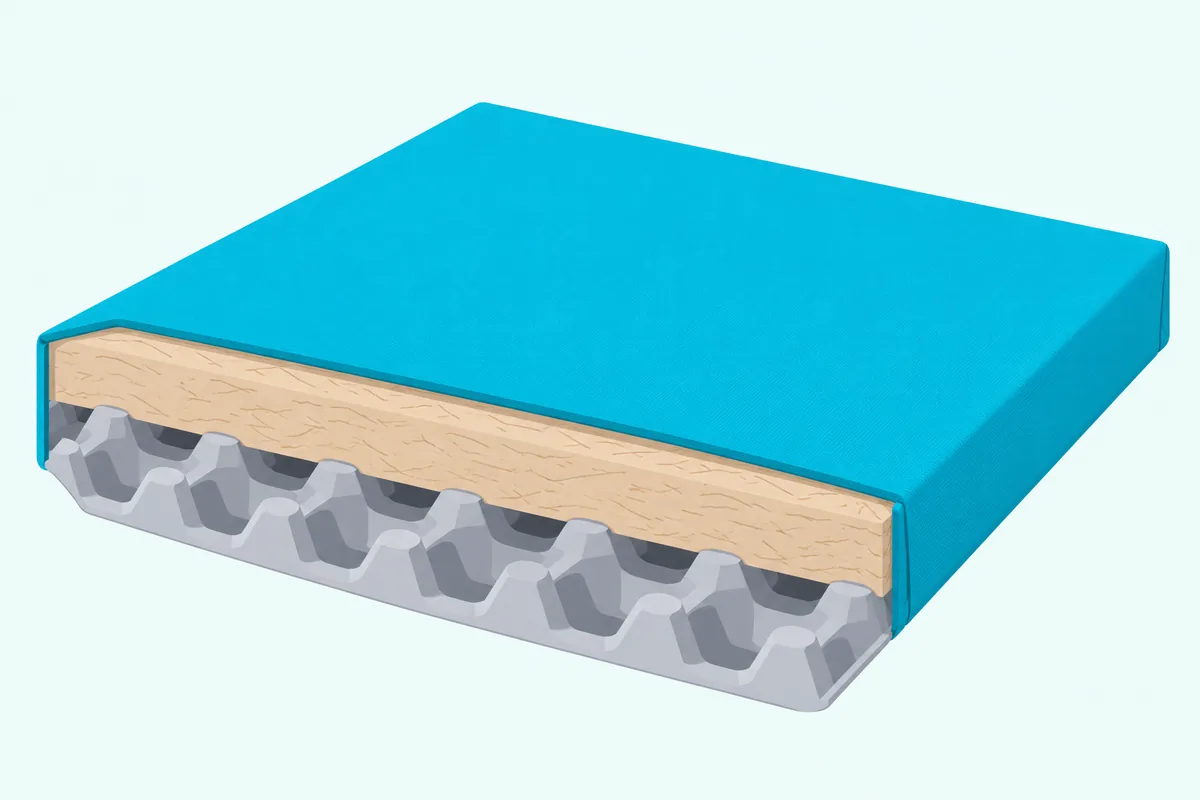
In a room test, the panel shortened the reverberation time from 5.63 seconds to 3.60 seconds across 125 to 1,600 Hz. The authors concluded the materials have potential as a sound absorption panel, and they compared the result with earlier work that used egg trays and kapok.
That result deserves two caveats. It measured echo, not noise blocking, and the panel wasn’t bare cartons, because a coir fibre layer and fabric did part of the work.
Can Egg Cartons Reduce Echo?
A little, in the right frequency range, and less well than real absorbers. The paper’s own range starts at 125 Hz and stops at 1,600 Hz, and it used more than cartons to get there.
If echo is your real problem, our page on egg cartons for acoustic treatment covers that angle, and our comparison of egg cartons and acoustic foam covers the foam lookalike.
Are Egg Cartons Safe on a Wall?
They’re paper, so they burn, which is one more reason to think twice before covering a wall with them. Keep any paper or cardboard well away from lamps, heaters and sockets.
That’s a practical point, not a test result, so treat it as common sense rather than a rating.
What Actually Soundproofs a Room on a Budget?
That fire risk is a small cost next to the real problem, which is that trays don’t block sound. The cheapest fixes that do start with sealing the gaps, because sound leaks wherever air can.
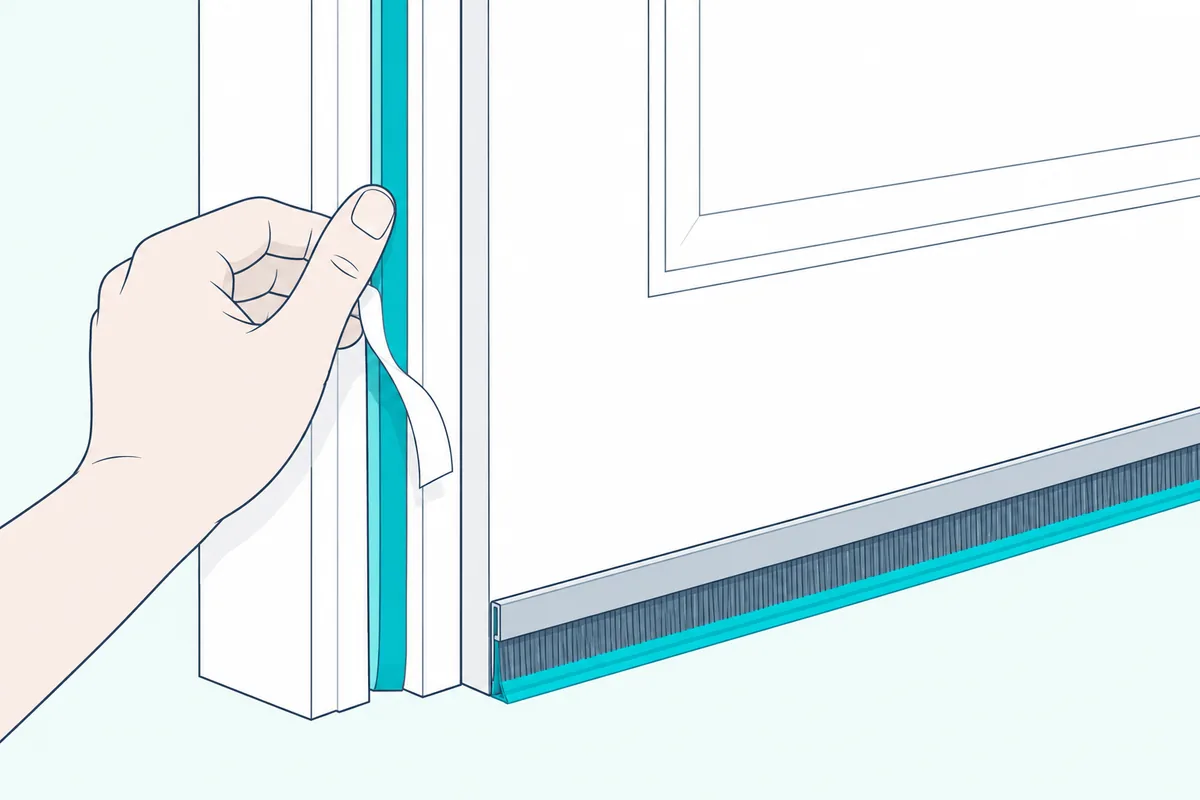
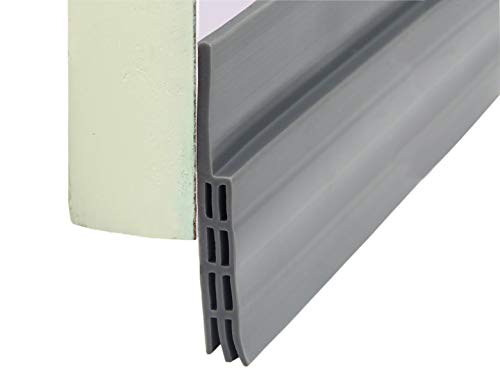
Seal the door first. self-adhesive soundproofing weather stripping closes the perimeter, and brush-and-silicone door sweep closes the bottom.
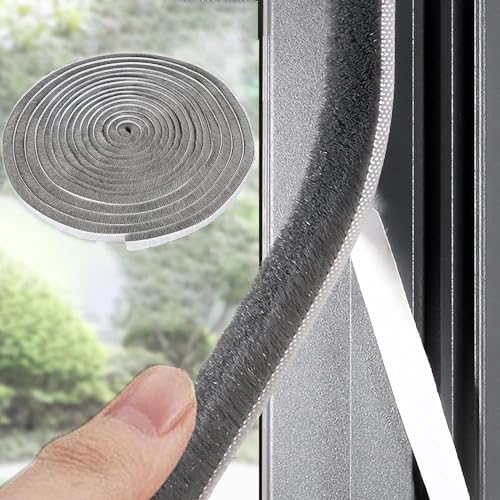
self-adhesive soundproofing weather stripping
Wall edges and outlets leak too. acoustical caulk stays flexible after it dries, which makes it suited to those joints.
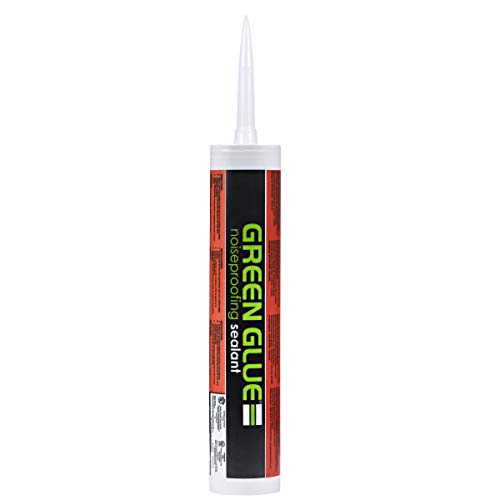
acoustical caulk
Sealing is the cheap first move, and adding mass comes after it, with damping and decoupling as the upgrades beyond that. Our steps for sealing and upgrading a door give the order for that job, and our page on soundproofing a room cheaply lays out the budget options in more detail.
What Should You Use Instead of Egg Cartons for Echo?
Real absorbers, which are thick, porous and dense enough to take sound in. A panel of mineral wool or fiberglass in a fabric wrapper does the job, and it’s cheap to build; our guide to building your own acoustic panels walks through it.
That treats the echo, and it still won’t stop noise crossing a wall. Use sealing and mass for that, and panels for the sound inside the room.
Frequently Asked Questions
Do egg cartons block noise from neighbors?
No. They are light paper with gaps, and blocking noise takes dense, heavy, sealed layers. Acoustical Surfaces describes soundproofing as blocking sound with dense, heavy materials.
Do egg cartons work for a home studio or podcast?
For echo, barely. The conference paper used egg trays with a coir fibre layer and fabric, not bare cartons, and it measured echo, not noise blocking (E3S Web of Conferences).
Is egg crate foam the same as egg cartons?
No. Egg crate foam is a foam panel made to look like an egg tray, and studio panels of that shape are made of high-density foam designed to absorb sound. Paper cartons are not.
How much noise do egg cartons block?
No measured figure for blocking turned up. The conference paper reported reverberation time, which is about echo inside a room, so any number for noise blocking would be a guess.